Imothel Winters
The slightly illegal, mostly unethical adventures of
Tom & Kratt
Chapter 1
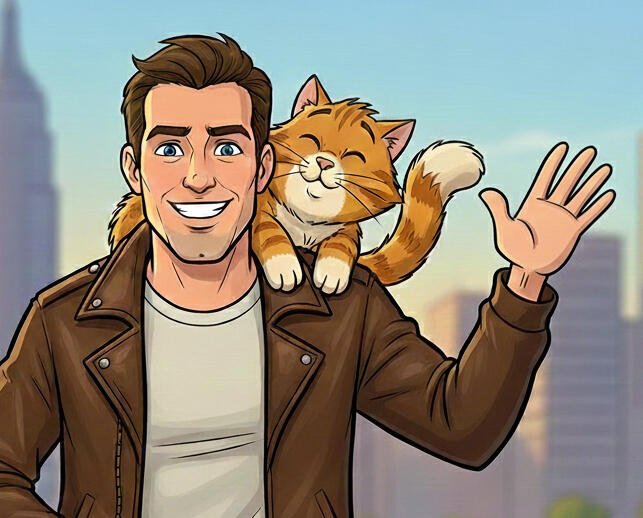
Tom, Marmalade, and the Art of Unexpected Companionship
Chapter 2
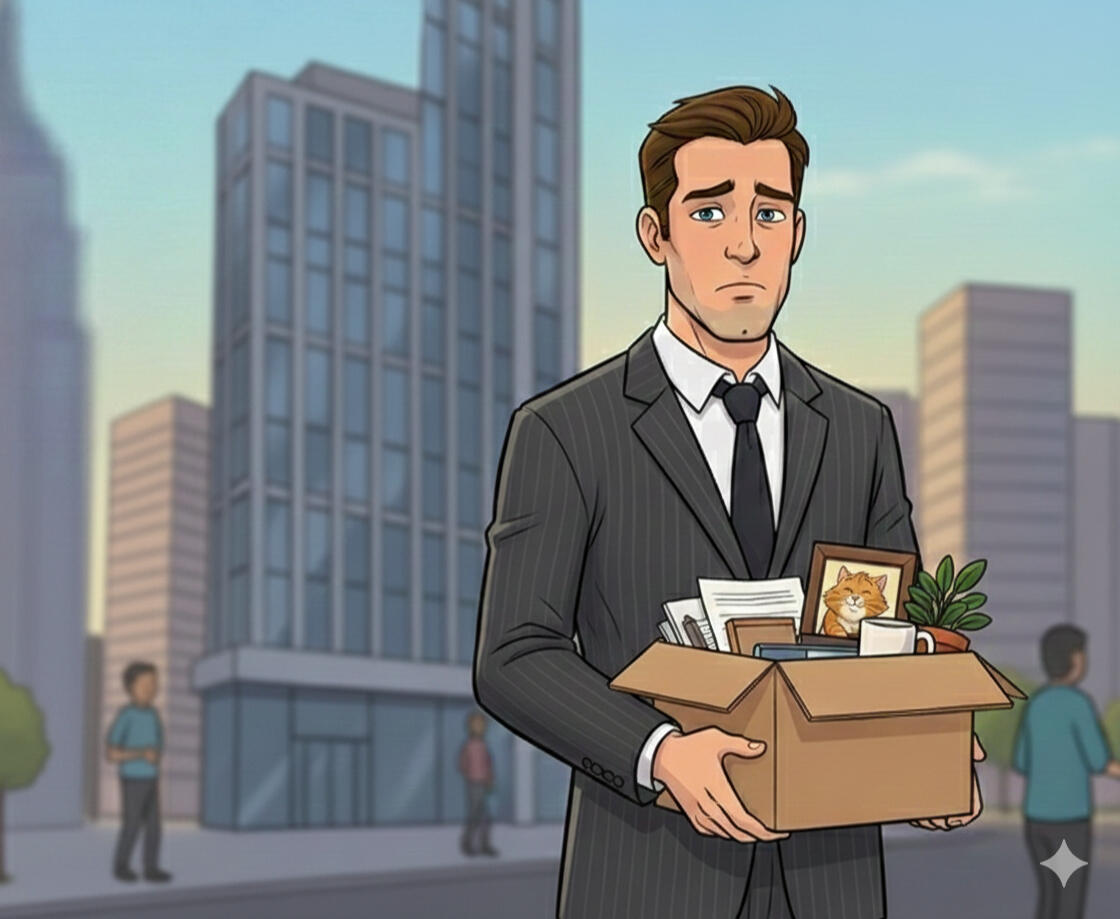
When the Carpet is Pulled from Under You

Chapter 3
When Old Wisdom Offers New Paths

Chapter 4
Rural Contemplations
Chapter 5
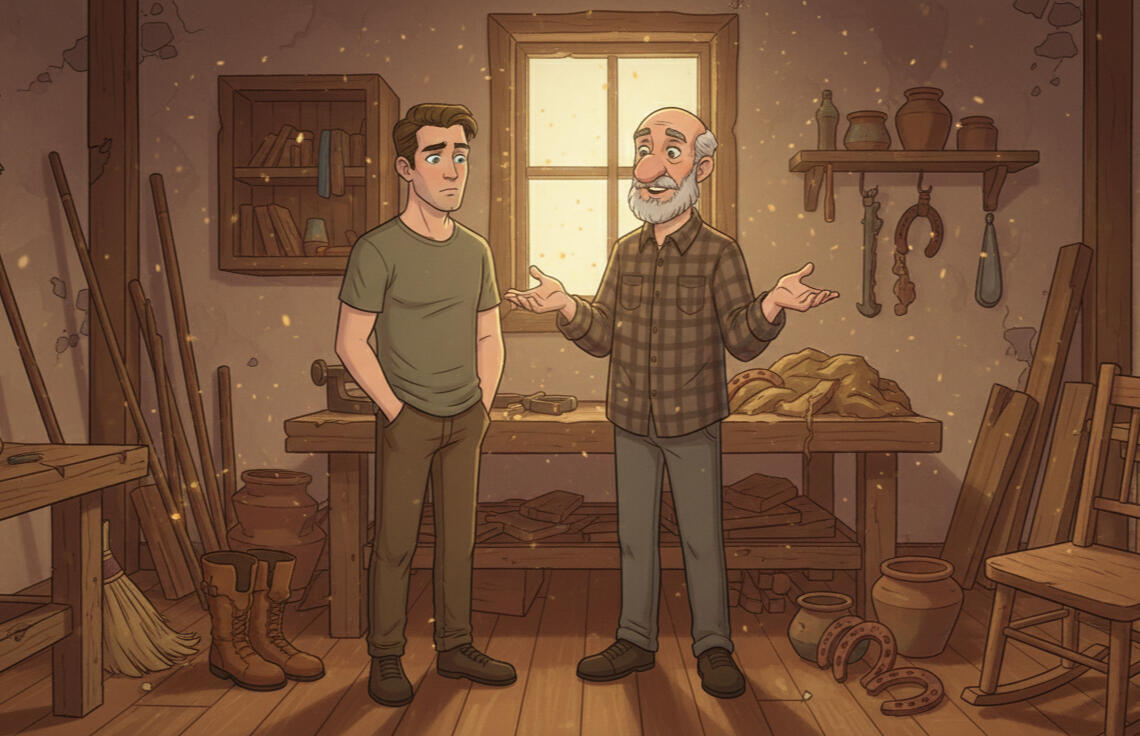
Side Note: How to Make a Kratt (According to Dad)
Chapter 6
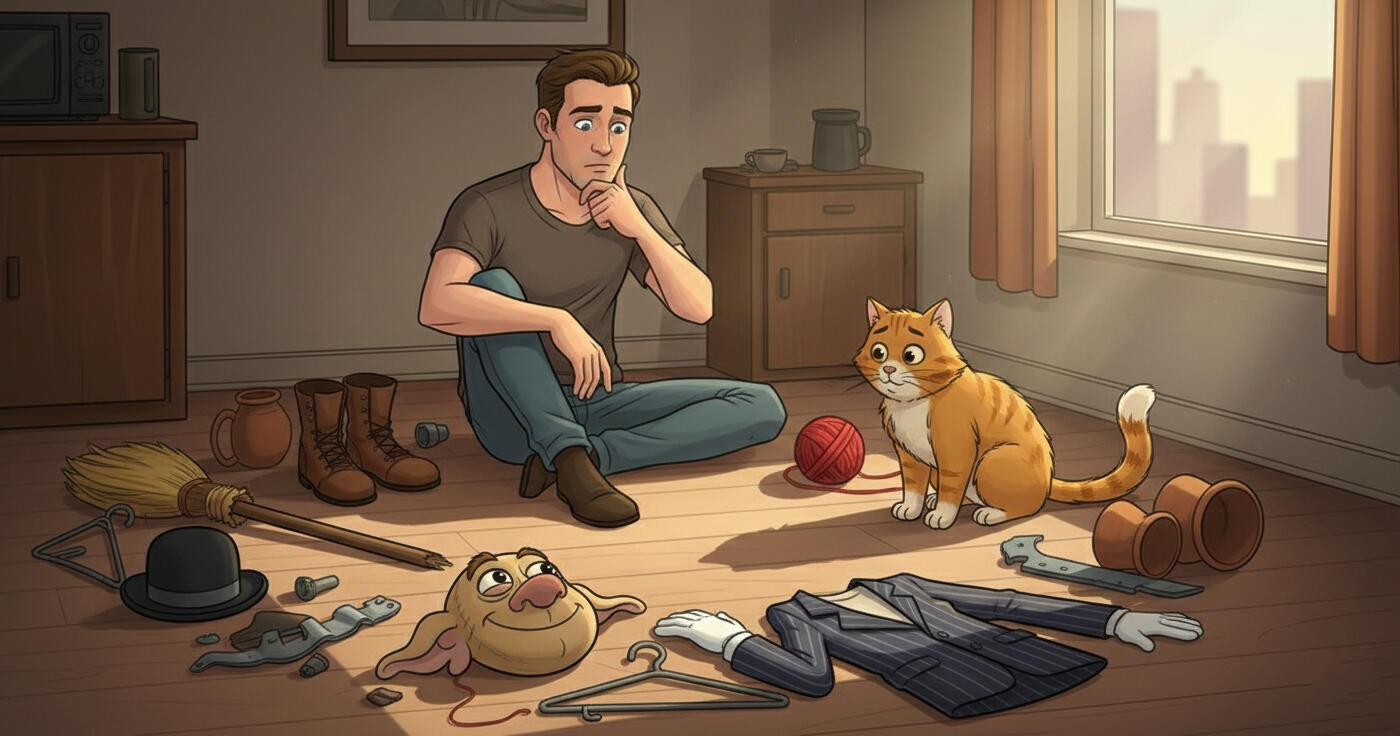
The Art of Kratt Construction
Chapter 7
Deals, Devils, and Deceptions
Chapter 8
Mohair Hearts and Mona Lisa Smiles
Chapter 9
Unwelcome Efficiency
Chapter 10
Calibrating the Kratt
Chapter 11
The Waiting Game
Chapter 12
The Perks of an Overachieving Minion
Chapter 13
Money, Manners, and Mild Mayhem

Chapter 14
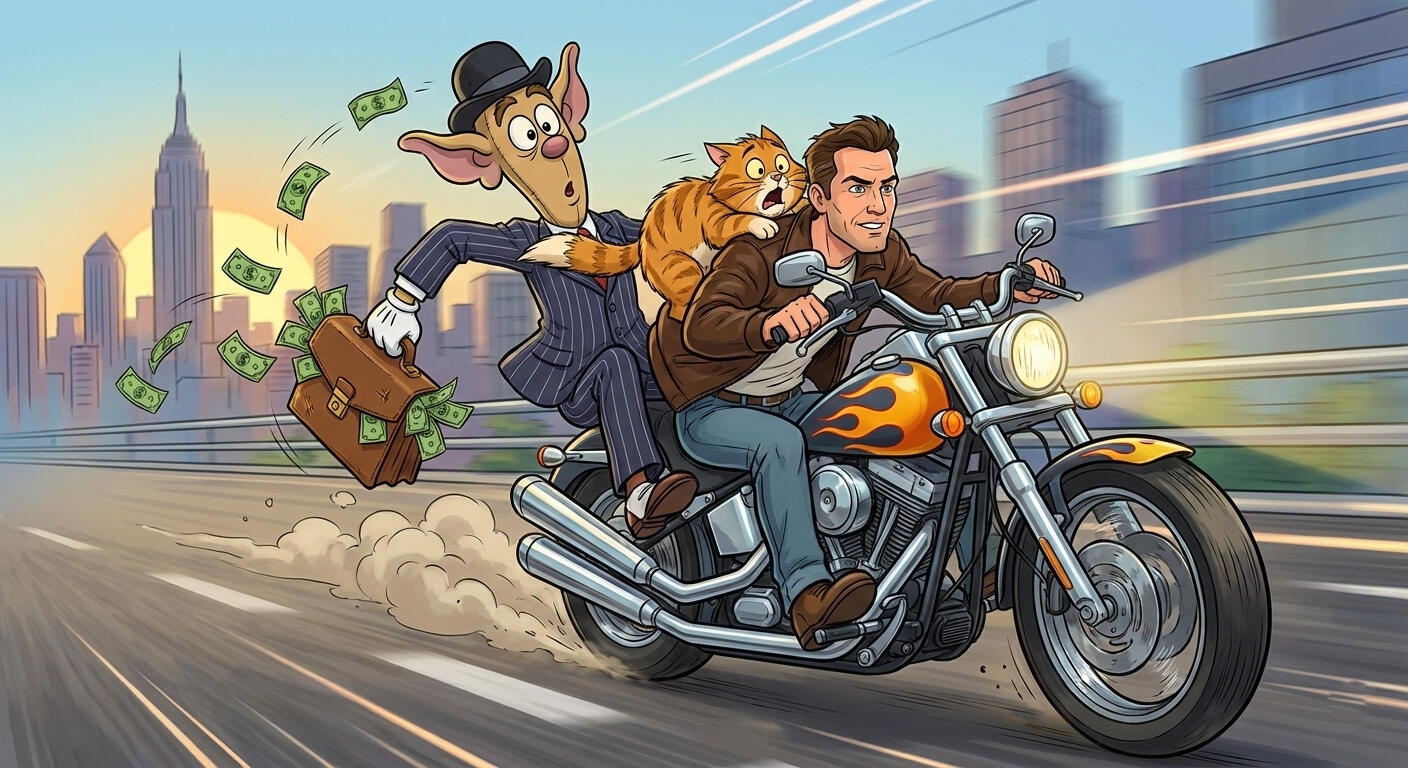
The Case of Too Much Cash
Chapter 15
Paranoia and Other Indoor Sports
Chapter 16
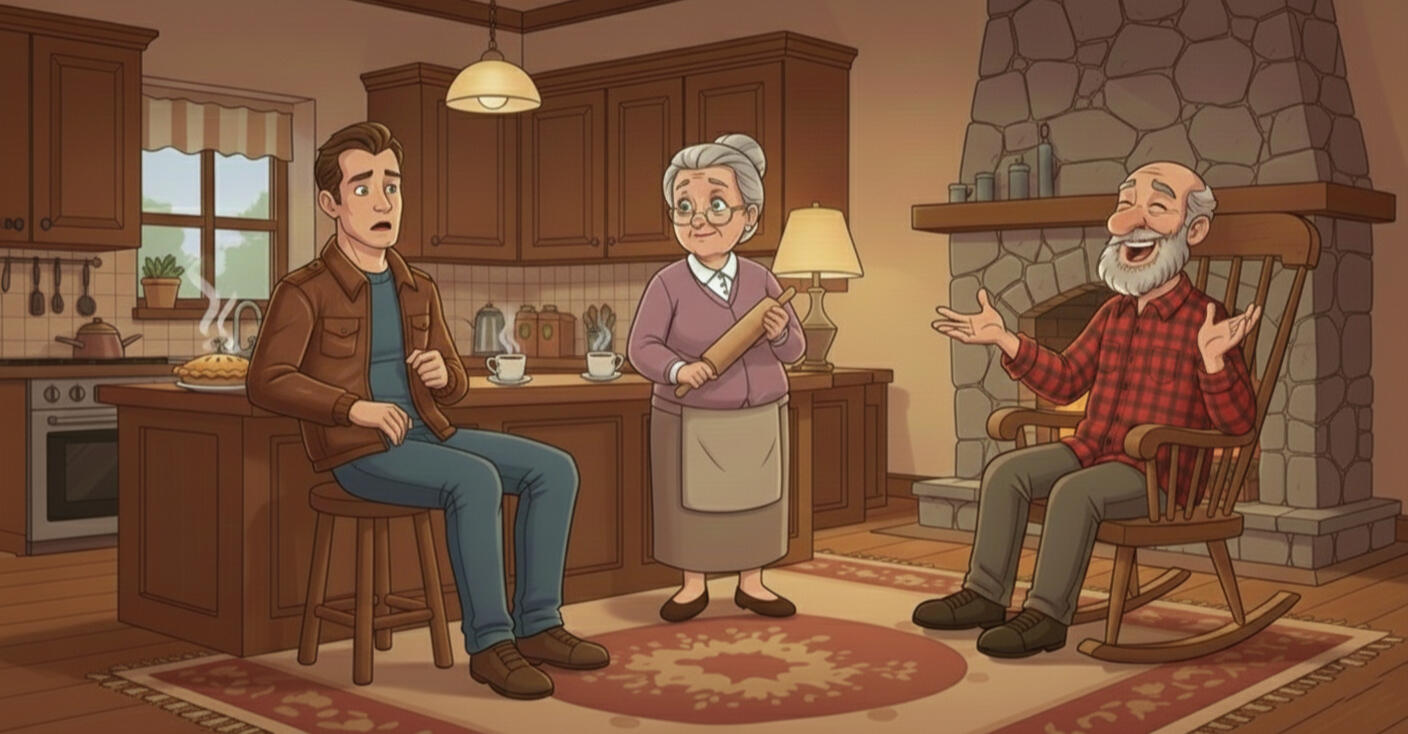
The Case of Too Much Cash: Part II
Chapter 17
Family Matters and Devilish Revelations

Chapter 18
Farm Days and Future Plans

Chapter 19
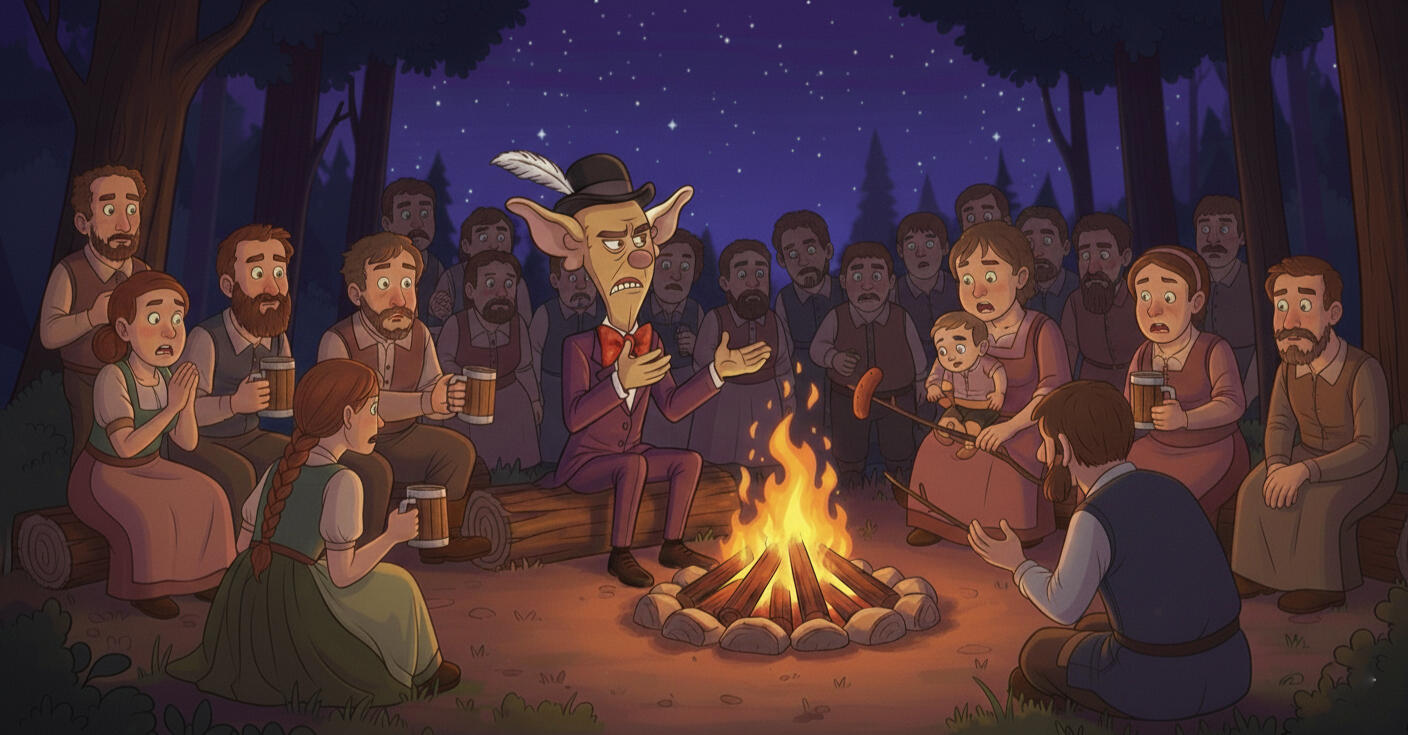
Midsummer Magic
Chapter 20
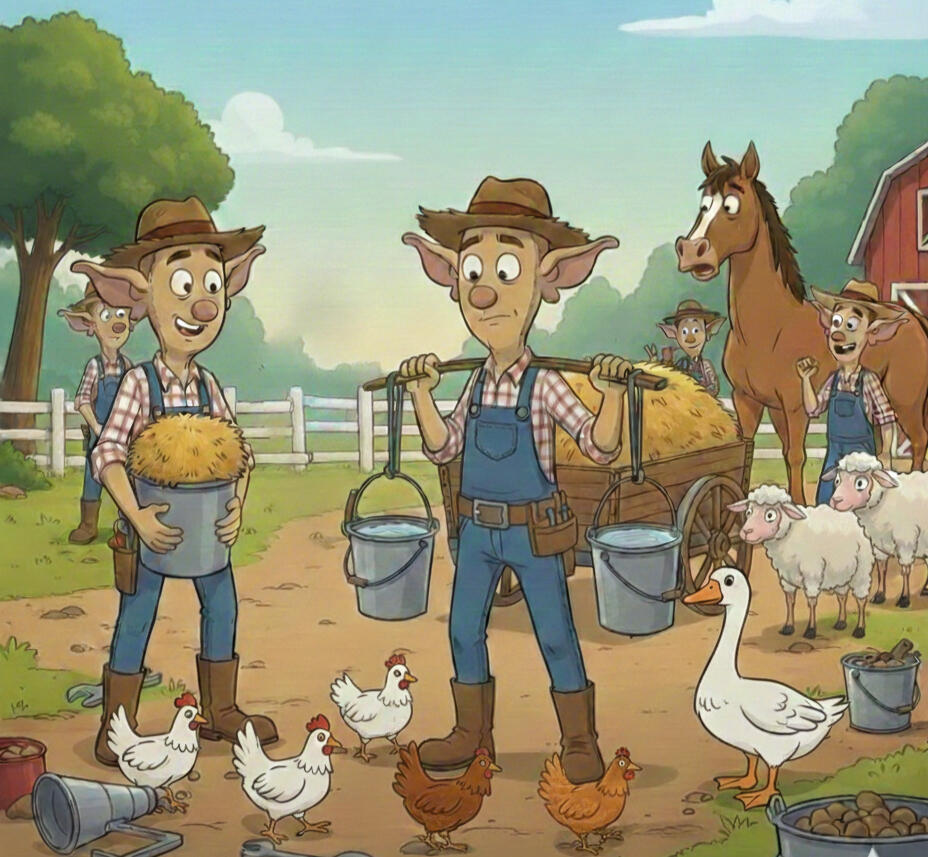
Tales by the fire
Chapter 21
Rent-a-Kratt

Chapter 22
Lavender Cottage

Chapter 23
The Art of Misdirection

Chapter 24
Operation Crimson Cartel
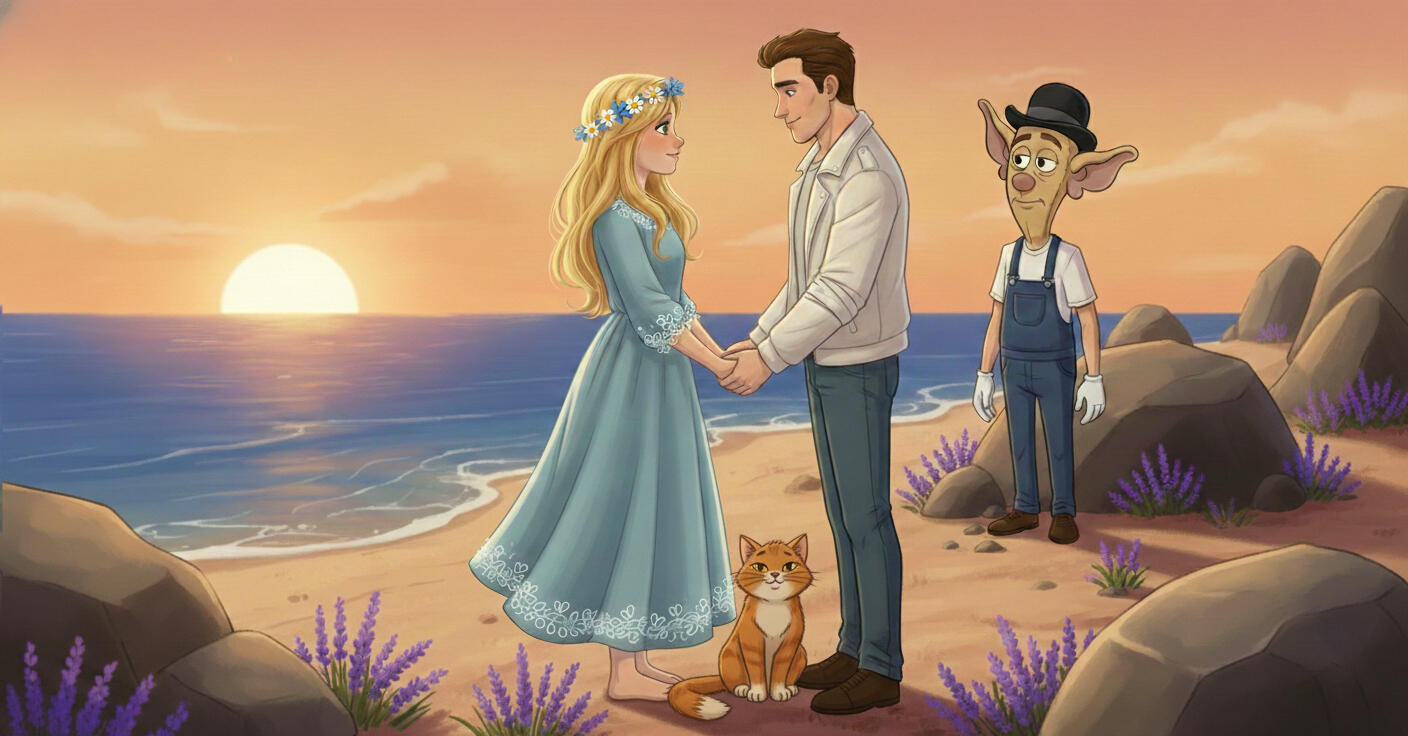
Chapter 25
The End of One Journey, The Start of Another
ABOUT ME
Stories have lived in my head for years. Now they're finally finding their way
onto the page.I write fantasy and adventure—tales where magic meets everyday chaos, where
characters refuse to follow the rules, and where nothing goes quite as planned.
Think whimsical disasters, supernatural helpers with questionable judgment, and
endings that feel like beginnings.Kratt & Tom is my first published story, but it won't be my last. I have worlds
waiting to be shared, and I'm thrilled you're here to discover them with me.Writing has always been the dream. Your support makes it possible.Thank you for reading. Thank you for being here.
COPYRIGHT & TERMS
Copyright Notice
© 2025 Imothel Winters. All Rights Reserved.All stories, characters, artwork, and content published on this website are the original creative work of Imothel Winters and are protected by international copyright law.What This MeansYou MAY:Read and enjoy all stories on this site for personal use
Share links to stories on social media or with friends
Quote brief excerpts (up to 300 words) in reviews, articles, or discussions, provided you:Credit Imothel Winters as the author
Link back to the original story on this website
Do not alter the textYou MAY NOT:Reproduce any stories in full or substantial part without written permission
Distribute stories through other websites, apps, or platforms
Translate stories into other languages without permission
Create derivative works (fanfiction, adaptations, etc.) without permission
Use for commercial purposes in any way without written permission
Claim as your own work or remove author attribution
Use for AI/ML training (see below)AI and Machine LearningThe content on this website may not be used for training artificial intelligence, machine learning models, large language models (LLMs), or any automated content generation systems without explicit written permission from the author.
This includes but is not limited to: web scraping, data mining, and automated text extraction for AI training purposes.Permissions & InquiriesIf you would like to:Translate a story
Include substantial quotations in your work
Create derivative content
Use stories for educational purposes
Request any other permissionPlease contact me at: [email protected]
I'm generally friendly about reasonable requests, but I do need to know about them first!Fan EngagementI love hearing from readers! Feel free to:Leave comments on stories
Share your thoughts on social media (tag me!)
Recommend stories to friends
Write reviewsJust please respect the copyright guidelines above.Privacy & DataWhat I Collect:
This website does not collect personal data beyond what's necessary for basic functionality (such as cookies for site preferences, if applicable).Ko-fi Donations:
If you choose to support me through Ko-fi, your payment information is processed securely through Ko-fi's platform. I do not have access to your payment details.Contact Information:
If you contact me via email, I will only use your email address to respond to your inquiry and will not share it with third parties.Disclaimer
The stories on this website are works of fiction. Any resemblance to actual persons, living or dead, events, or locales is entirely coincidental.
While I strive to provide accurate information where applicable, the content is provided "as is" without warranties of any kind.Changes to These Terms
I reserve the right to update these terms at any time. Any changes will be posted on this page with an updated date.
Last updated: December 2025Questions?
If you have any questions about these terms or copyright policies, please contact me at [email protected].Thank you for respecting creative work and supporting independent authors! 💙
CONTACT ME
I'd love to hear from you!Whether you have questions, want to discuss permissions, or just want to say hello, feel free to reach out:📧 [email protected]You can also find me on:
Chapter 1 - Tom, Marmalade, and the Art of Unexpected Companionship
If you're expecting a tale of destiny or fate, I should warn you that this story begins rather ordinarily in a busy city, though I promise it doesn't stay that way for long. In the swirling chaos of urban life, where most people chased after happiness with the desperate energy of squirrels before winter, Tom had somehow stumbled upon contentment without even trying. He moved through his days with a quiet satisfaction that seemed almost anachronistic in a world obsessed with more, better, faster. Perhaps too quiet, as it turned out. The universe has a peculiar way of detecting when someone's life has become too well-ordered, too predictable—like a cosmic mischief-maker that can't resist shaking up a perfectly settled snow globe just to watch the flakes swirl in new patterns. And Tom's life was about to be shaken quite thoroughly indeed.His contentment had been carefully constructed, brick by carefully chosen brick. At its foundation was Tom's apartment—precisely the sort that real estate agents described as "cozy" with the kind of forced enthusiasm usually reserved for blind dates arranged by well-meaning aunts. He could have afforded something grander—his job saw to that—but he'd discovered that smaller spaces had a peculiar talent for becoming home faster than their larger cousins. The city's symphony of sounds filtered through his windows like a well-rehearsed orchestra, while inside, he'd created a haven that made even the longest workday feel like just a temporary interruption to contentment.When Tom decided to add a dash of companionship to his well-ordered life, he chose with the same careful consideration he applied to selecting his morning coffee beans. A cat seemed the perfect addition—not a dog with their scheduling demands, but a roommate who respected personal space and judged life choices in silence.The shelter seemed the obvious choice—Tom had no interest in fancy breeds or designer kittens with pedigrees longer than corporate contracts. His only requirements were simple: a cat smart enough to avoid launching itself after squirrels from their third-floor balcony, and civilized enough to respect his furniture.Inside the shelter, Tom discovered a fascinating study in feline personality types. Some cats performed their "adopt me" routines with the enthusiasm of street performers working for tips, while others maintained the aloof dignity of art critics at a finger-painting exhibition. And then came The Meow—a single, confident sound that cut through the cacophony of cat politics like a warm knife through artisanal butter. Its source was an orange-striped cat who carried herself with the quiet assurance of someone who had figured out all of life's mysteries but felt no particular obligation to share them.Marmalade—as she would come to be known—wasn't merely a pet but a presence. From the moment she stepped into Tom's apartment, she moved with a self-assured grace that suggested she was doing him a favor by taking up residence. What truly distinguished her was her remarkable expressiveness—those amber eyes could convey paragraphs of opinion without a sound.Tom and Marmalade settled into a rhythm together that neither had planned but both seemed to need. Tom provided the necessities—fresh food in a clean bowl, a warm home, and someone who noticed when she entered a room—while Marmalade contributed something Tom hadn't realized was missing: honest company. She listened to his work stories with a tilted head that suggested genuine interest, even if her main concern was when he'd finish talking and open a can of tuna. On his most frustrating days, when clients had been difficult or deadlines impossible, she'd appear silently beside him, pressing against his leg or settling on his lap with perfect timing. She never offered solutions—being a cat, after all—but her warm presence and slow blinks spoke a language Tom somehow understood: This too shall pass. When Tom caught himself explaining his day to a cat as if she were a roommate who might offer advice, he'd laugh at the absurdity. Yet somehow her responses—a slow blink, a gentle headbutt, or simply turning her back to him when he was being particularly dramatic—felt more meaningful than many human conversations he'd had.Their life together had found its comfortable shape. Each day unfolded with small variations on familiar themes—Tom's morning rush and evening return, Marmalade's window observations and strategic naps, their quiet evenings of parallel existence. It was nothing like the relationships Tom's colleagues pursued with such determined effort, and yet it suited him perfectly. The apartment no longer felt like just his space but theirs—a shared territory marked by Marmalade's favorite spots and Tom's accommodations to her preferences. He'd begun to arrange his plants to create better bird-watching vantages and left the bathroom door ajar for her inspections. She, in turn, had learned to vacate his keyboard when his expression grew particularly focused and to meet him at the door when he returned carrying the particular grocery bags that contained her food.Neither could have anticipated the changes that would soon disrupt this comfortable arrangement. The predictable patterns they'd established were about to be rewritten by circumstances beyond their control. Though Tom remained blissfully unaware, outside forces were already in motion, setting the stage for significant upheaval in his carefully constructed contentment.
Chapter 2 - When the Carpet is Pulled from Under You
Monday mornings have a special place in the hierarchy of human suffering. But this particular Monday had decided to go above and beyond in its mission to ruin Tom's life, and it announced its intentions the moment he stepped into the office.The first warning sign came in the form of Pete, the office junior, perched at his desk like a bird of prey. This was the same Pete who had, until today, treated the concept of punctuality with the same casual disregard that cats show to personal boundaries.Yet here he was, not only early but radiating an enthusiasm that felt about as trustworthy as a tax collector's smile. His usual dishevelled appearance had been replaced by crisp business attire, his typically untamed hair now slicked back with military precision. But it was his smile that truly set off alarm bells in Tom's mind. It contained more teeth than seemed anatomically possible, as if he'd borrowed a few extra sets just for today, and they gleamed with an unnatural brightness that made Tom shiver unintentionally.Even the way Pete had arranged his desk that morning seemed wrong—everything was aligned with geometric precision, pencils sharpened to weapons-grade points. The Pete that Tom knew couldn't organize his own lunch break, let alone create this shrine to office efficiency. But then again, this was a new Pete—one who had been spending an unusual amount of time with management lately, his eager smile and budget-friendly salary making quite an impression. A Pete who seemed to be measuring Tom's cubicle with his eyes, as if already planning where to put his things."Morning!" Pete chirped, his voice carrying the sort of cheerfulness that should be outlawed before noon."Morning," Tom mumbled back. But before he could retreat to the relative safety of his cubicle, Pete delivered the coup de grâce with unsettling precision: "The boss wants to see you. Immediately." The word hung in the air like a guillotine blade, its shadow falling across Tom's Monday morning like an especially dark cloud choosing where to let loose the downpour.
The walk to the boss's office seemed longer than usual. His instincts already on high alert and now even more so, as he walked past other cubicles where his colleagues avoided eye contact and their slack attitudes toward work—especially on Mondays—seemed to have miraculously overturned. Tom's gut told him clearly: nothing good would come of this.The office itself, when he finally arrived, stood as a monument to corporate excess—all gleaming wood and self-important décor, with a desk large enough to land small aircraft and a chair that could have accommodated one humongous ass or a small family of four."Ah, Tom!" The boss's voice boomed across the room with the artificial warmth of a customer service script, amplified by the acoustics of success and overall poor taste.
"Good that you came right away. Sit down."
"Listen, I won't beat around the bush," the boss began, immediately proving that statement false by launching into a meandering dissertation about economic downturns and market forces. Tom's brain, sensing imminent disaster, began to drift. He caught phrases like "valued employee" and "difficult decision" floating past like debris in a shipwreck, each word carrying him further from the shore of employment toward the vast ocean of uncertainty.
The reality hit him like a slap with a wet newspaper: He was being fired. Three years of his life, sacrificed for corporate promises, reduced to a severance package and a "best of luck in your future endeavors." Three years of missed weekends, canceled plans, and microwaved dinners eaten while staring at spreadsheets. All gone, thanks to a conversation that lasted less time than his morning commute. The worst part wasn't even the firing itself—it was the way his boss maintained that artificial smile throughout, as if he were doing Tom a favor by setting him free from the burden of regular income. That, and the thinly veiled comments about "fresh perspectives" and "budget optimization" that made it painfully clear who would be sitting at his desk tomorrow. Pete's meteoric rise from bumbling junior to his replacement had to be some kind of corporate record.For a brief, glorious moment, Tom contemplated revenge. Nothing too dramatic—perhaps just a gentle repositioning of the boss's oversized desk through the nearest window. But reality, that eternal killjoy, reminded him that assault charges wouldn't look good on his resume, and who would feed Marmalade while he did time? Besides, there was something almost comical about the situation—the way his boss kept straightening papers that were already straight, the nervous tap of his Italian leather shoes against the carpet, the slight tremor in his hand as he pushed the severance papers across his ridiculous desk. Perhaps he felt equally afraid of what Tom might do.The parking lot offered one final insult—his boss's new Porsche sat gleaming in its reserved spot. Tom's keys felt heavy in his pocket, itching to make an artful squiggle on the car's perfect bonnet, whispering promises of petty revenge. But no—Tom knew he was better than that.The bus ride home felt like watching his life through smudged glass. With a heavy heart, Tom watched as the city pulsed with its usual rhythm—people rushing to meetings, tourists consulting maps, students laden with books, all of them with somewhere to be, something to do. Everyone with a purpose, while Tom's had just been neatly packed into a cardboard box and handed to him with no further emotion. He watched a group of office workers hurry past his bus window, their badges swinging from lanyards, their faces set in that familiar expression of purposeful determination. Just this morning, he'd been one of them. Now he was... what, exactly? The word "unemployed" sat in his stomach like spoiled milk.Home greeted him with the only constant in his life: Marmalade. She took one look at his face and immediately shifted into what Tom thought of as her "crisis management mode"—a sophisticated blend of concern and comfort that only a cat could master. She circled his legs with graceful precision, each pass accompanied by a purr that today sounded unjudgmental and purely sympathetic.Tom collapsed onto the couch, allowing Marmalade to claim her rightful place on his chest. Her usual theatrical flair was tempered with genuine concern as she settled in, her purrs reaching a frequency that suggested she was attempting to vibrate the stress and sadness right out of him.As Tom scratched behind her ears, listening to her purrs modulate between comfort and commentary, he felt his anger and disappointment slowly melting away. Yes, his world had just been turned upside down. Yes, he'd need to start job hunting tomorrow. And yes, he'd probably have to cut back on unnecessary expenses. The economy, as always, was shaky and unstable—nobody could predict how long until the next job presented itself.Besides, he thought as Marmalade settled into her favorite napping position, sometimes the universe has to knock you down before it can show you something better. He just hoped that "something better" wouldn't take too long to appear—his savings account wasn't known for its patience.
Chapter 3 - When Old Wisdom Offers New Paths
When the world feels like it's conspiring against you, there are exactly three reliable solutions: spending your savings on something impractical, throwing yourself into excessive exercise, or going home to your parents. Tom, being a pragmatist, chose the option that came with free food and unsolicited life advice. The countryside, with its distinct lack of corporate politics and abundance of fresh air, seemed like the perfect place to untangle the knots in his mind.
The decision to retreat to his childhood home hadn't come easily. Tom had spent the day after his firing staring at his apartment walls, the silence broken only by Marmalade's occasional inquiring meow. His savings account balance glared accusingly from his laptop screen, the numbers seeming to shrink even as he watched them. Four months, maybe five if he was careful—and then what? The thought of interviewing for new positions, explaining his "sudden availability," and starting over from scratch had settled in his stomach like cold lead.
When he'd finally called his mother, he'd kept it casual. "Taking some time between opportunities" sounded much better than "I've been unceremoniously fired and replaced by an ambitious child who probably works for pocket money." His mother, with that uncanny parental intuition, had heard the unspoken distress beneath his casual tone. She hadn't pried, simply asking when he'd arrive and mentioning something about making his favorite roast.
And so it was decided.
Convincing Marmalade to enter her travel carrier had been a negotiation worthy of international diplomacy. She'd made her objections known with all the indignation of someone being wrongfully imprisoned, fixing Tom with a betrayed stare that suggested this violation of trust would be remembered for generations to come. Only the promise of adventure (conveyed through Tom's most persuasive tone) and a strategic treat had finally convinced her to step inside, her tail flicking with reluctant acquiescence.
The bus journey had been a gradual decompression. As the city's glass towers receded in the distance, Tom felt the tight band around his chest begin to loosen. Each mile put welcome distance between him and the scene of his professional execution. Villages gave way to fields, concrete to green, and the persistent background hum of urban life faded into the gentler rhythms of the countryside. Tom watched the transformation through the bus window, his mind slowly emptying of office politics and filling instead with memories of childhood summers and the promise of his mother's cooking.By the time they reached the small village station, Tom's thoughts had shifted from immediate panic to something resembling perspective. Yes, he'd lost his job. Yes, his carefully constructed life had been upended. But there was something about returning to his origins that made these problems seem more manageable—not solved, but at least properly sized.
His father had been waiting at the bus stop in his ancient Volvo, its faded blue paint a welcome sight after the gleaming corporate fixtures Tom had left behind. The drive to the cottage had been filled with his father's comfortable chatter about village gossip and garden victories, requiring nothing more from Tom than occasional nods. His father, a retired farmer with a talent for reading weather patterns and people with equal acuity, seemed to understand that Tom needed this buffer of ordinary conversation before diving into his own troubles.
The kitchen table that evening held the simple comforts that only a parent's cooking can provide. His mother's roast pork—the dish she'd made for every homecoming since he'd left for university—filled the cottage with familiar warmth. Alongside it sat golden potatoes, fresh bread from the morning's baking, and vegetables harvested from the garden his parents now tended together. Tom breathed in the scents of his childhood, feeling something tight within him begin to unwind. His mother had always believed that feeding someone was a way of saying everything words couldn't, and tonight, the message was clear: you are home, you are loved, and whatever it is that troubles you will pass.
Marmalade had been given her own plate nearby, with carefully cut pieces of pork that his mother had prepared with grandmotherly indulgence. The farm was an entirely new world for her—a city cat suddenly transported to a realm of unfamiliar scents, rustling leaves, and mysterious sounds beyond the windows. After tentatively sniffing her offering, she'd settled in to eat with evident approval, occasionally glancing at the strange new surroundings with a mix of caution and fascination.
For a while, the only sounds were the gentle clink of cutlery and his father's appreciative mumbles. Tom found himself relaxing into the familiar rhythm of family dinner, letting the warmth of home-cooked food and unconditional love work their magic. His mother kept adding more potatoes to his plate with the stealth of a ninja, while his father worked his way through dinner with the focused dedication of a man who believed problems were best solved on a full stomach.
It wasn't until his mother brought out the apple pie for dessert that the words finally tumbled out. Tom told them about the firing, about three years of dedication reduced to a corporate footnote, about Pete's suspicious promotion and the boss's gleaming Porsche that sat in the parking lot like a monument to inequality.
The silence that followed was broken by his father leaning back in his chair with the air of someone about to dispense ancient wisdom passed down through generations. "Tom," he said, drawing out the moment like a master storyteller, "when has hard work ever made anyone rich?"Tom blinked, caught off guard by the question. His father continued, tapping his fingers on the table like a conductor preparing for an unusual symphony. "The rich don't work hard—they work clever. Or they don't work at all and let everyone else do the heavy lifting."
"Don't fill his head with nonsense," his mother interjected, brandishing her serving spoon like a conductor's baton, though her tone suggested this was a long-running debate.But his father was on a roll, grinning like someone who'd not only found the answer key to life's exam but had decided to share it for the entertainment value alone. "You need to stop thinking like a plough horse and start thinking like a fox."Before Tom could decode this particular metaphor, his father dropped the bombshell: "You need to make a Kratt."The word hung in the air like an uninvited guest at a dinner party. Tom's mother sighed deeply and rolled her eyes with years of practiced exasperation. Even Marmalade, who had been contentedly grooming herself nearby, paused mid-lick, as if sensing a shift in the atmosphere."A what now?" Tom asked, wondering if this was heading toward one of his father's famous tangents that usually ended with questionable life advice and an improbable story about his youth.
"Oh, for heaven's sake," his mother interrupted, setting down her teacup with a firm clink. "Stop filling the boy's head with nonsense. You've gone mad again with your silly stories."But Tom's father had that look—the one that suggested he was about to reveal the secret to life, the universe, and everything, and it probably involved breaking at least three laws of physics. "A Kratt," he repeated with relish, "is a magical servant you make from whatever junk you've got lying around. You bring it to life, it does your bidding, and you get rich.""Rich!" his mother snorted. "Yes, and what they don't tell you is that these things need constant work to keep them busy. The moment you run out of tasks for them..." She made a meaningful gesture that suggested flames and chaos. "Idle hands are the devil's workshop, and with a Kratt, that's not just a saying.""That's only if you're careless," his father countered, waving away concerns about spontaneous combustion as if they were minor inconveniences. "I was about to get to that part."Tom struggled to process what he was hearing. A week ago, his biggest concerns had been quarterly reports and whether he should upgrade his coffee machine. Now, he was unemployed and his father was suggesting... what exactly? Some kind of folkloric solution to capitalism?"So... you're telling me I need to make this—this Kratt—out of junk? That doesn't sound remotely plausible." As the words left his mouth, Tom found himself surprised that he was even entertaining the idea enough to question its plausibility rather than dismissing it outright. Perhaps unemployment had made him more receptive to unconventional thinking, or maybe it was just the comfort of his mother's apple pie lowering his skepticism."Oh, it's plausible," his father grinned, looking like someone about to sell beachfront property in a desert. "All you need is some old bits and bobs, a pinch of cunning, and"—he paused for maximum dramatic effect—"a deal with the Devil."The kitchen temperature seemed to drop several degrees. Marmalade, who had been resting nearby, suddenly raised her head and let out a single, disapproving hiss before retreating to a safer distance, her tail held high in what Tom recognized as her "I want no part of this madness" posture."The Devil, is it?" his mother interrupted, setting her fork down and crossing her arms. "Not this again." She turned to Tom with a mixture of exasperation and something deeper—something that looked almost like worry. "Your father never mentions the part where these old stories always end badly. Once you start down that path, there's always a price." Her eyes flickered briefly to his father in a look that seemed to contain volumes of unspoken history.Tom slumped in his chair, feeling like he'd wandered into a bizarre folktale rather than the practical homecoming he'd expected. Family dinners at this table had always been straightforward affairs—discussions of weather patterns, local news, occasionally politics—but never anything like this supernatural business. He should have been using this time productively—updating his resume, sending emails to former colleagues, researching companies that might be hiring. There were job sites to browse, applications to complete, a sensible path back to employment that certainly didn't involve magical servants or deals with the devil. He'd come home for comfort and clarity, not centuries-old superstitions that seemed to carry peculiar weight in this kitchen.Yet somewhere in the back of his mind, a small voice whispered that maybe—just maybe—his father wasn't entirely crazy. After all, in a world where people became millionaires by selling virtual real estate or convincing others to buy pictures of cartoon monkeys, was a magical servant made of junk really that far-fetched? The truly absurd part was that this thought didn't seem as ridiculous as it should have.Tom glanced at his mother's exasperated face, then at his father's gleeful expression, and finally at Marmalade's judging stare from her safe distance. His life had already been turned upside down once this week. What was one more shake of the snow globe?
Chapter 4 - Rural Contemplations
Sunday mornings in the countryside have a way of unfolding that makes city life feel like a peculiar fever dream. The sun doesn't so much rise as it lazily stretches across the farm, gradually illuminating fields and outbuildings. Tom sat at his mother's kitchen table, watching steam curl from his coffee cup while contemplating the profound difference between urban and rural breakfast experiences. City breakfast was usually a rushed affair involving store-bought pastries and chain store coffee. Here, fresh bread and hand-churned butter made him question every life choice that had led him away from this place.Marmalade had abandoned her usual morning routine for country adventures. She'd slipped out at dawn to explore her temporary kingdom, making friends with mice and playmates of grasshoppers that awakened something primal in her usually composed demeanor.
Yes, that’s was the life!Tom's mother, proving that parental scheming transcends all circumstances, had that look in her eye—the one that suggested manual labor was in his immediate future. "The vegetable garden needs weeding," she said, in the tone that mothers perfect over decades, the one that makes suggestions sound like divine mandates.And so Tom found himself kneeling in rich, dark soil, waging war against plants that had the audacity to grow where they weren't invited. The sun warmed his back as his hands worked methodically through the rows of vegetables. The physical labor, sort of like meditation, provided a welcome distraction from the swirling uncertainty of his future.His father's words about the Kratt kept circling his mind like persistent thoughts that refused to be dismissed. Make a Kratt from junk? Deal with the Devil? Right. Because that's completely normal advice to give your recently unemployed son. He yanked out a particularly stubborn thistle, briefly wondering if aggressive weeding counted as anger management therapy.His mother's reaction to the whole Kratt business nagged at him more than the weeds. She hadn't dismissed it as complete nonsense—which would have been the rational response to someone suggesting DIY demon deals. Instead, she'd reacted like someone watching a situation unfold that they'd seen before and hadn't wanted to witness again: a mixture of concern and resigned familiarity.The afternoon found Tom in his father's workshop, a place that smelled like sawdust and honest labor. Half-finished furniture pieces stood around the space, while his father muttered philosophical observations about the nature of balance and the importance of furniture that didn't wobble. "Unlike some things in life," he'd add with a knowing look, "a good chair should never leave you guessing which way you're about to fall."But even the meditative process of sanding wood couldn't quiet the Kratt thoughts. His father's instructions had been disturbingly specific—the kind of specific that suggested experience rather than theoretical knowledge. The worst part was how plausible it all sounded, like an unusual but straightforward project for someone with the right materials and sufficient desperation.By sunset, Tom had achieved the kind of peace that comes from physical exhaustion rather than mental resolution. The farm was painted in evening colors, all gold and rose, the fading light softening every edge and corner. Marmalade lounged in the grass nearby, looking content after her day of exploration. The perfect end to their countryside escape, though they both knew it couldn't last.Morning arrived too soon. Tom and Marmalade packed up for their return journey, neither particularly eager to leave. The bus ride back to the city felt like crossing between worlds. Tom stared out the window, watching golden fields gradually surrender to concrete and steel. His mind wandered between his father's words about the Kratt and his uncertain future, each thought circling the other like autumn leaves in the wind.Tom knew he shouldn't try to make a Kratt. He definitely wasn't going to make a Kratt. The whole idea was ridiculous, probably ill-advised on multiple levels, and exactly the kind of thing that ends up as a cautionary tale. But curiosity had planted itself in his brain like a seed that refused to stop growing, and his father's voice kept echoing: "That's how you get rich, boy…"After all, what was the worst that could happen? Apart from, you know, accidentally creating a magical servant from household junk and possibly owing a favor to supernatural forces. Just another Monday in the life of an unemployed man with a head full of questionable ideas.
Chapter 5 - Side Note: How to Make a Kratt (According to Dad)
The thing about getting instructions from your father about making supernatural servants is that it feels a bit like getting cooking tips from someone who once saw a cooking show in 1987. The information is there, but you're never quite sure if some crucial detail has been lost between "simmer gently" and "summon ancient forces.""Making a Kratt isn't complicated," Dad had insisted, with the confidence of someone explaining why duct tape is the answer to all of life's problems. "Any idiot can do it. Which is probably why there aren't more of them around—smart people know better."The basic ingredients, according to Dad's slightly worrying expertise, are surprisingly mundane. You need junk—the kind of stuff that lurks in garages and attics. Broken broomsticks are traditional, apparently. Old pots, clothes and boots. Rusty horseshoes work well too, though Dad never clarified whether this was due to supernatural properties or just because they were regular household items back in the day."The key," he'd said, leaning forward in his chair with the intensity of someone sharing hard-earned wisdom, "is to arrange it all into something vaguely humanoid. Doesn't need to be pretty, mind you - just needs arms, legs, and a head of sorts. And make sure to give it a heart. The Devil isn't picky about how it looks. He cares more about function than form, if you catch my meaning."Ah yes, the Devil. Here's where things get interesting, in the same way that finding a spider in your shower is "interesting." According to Dad, Satan himself is surprisingly approachable. "Think of him as the ultimate used-car salesman," Dad had explained, which was either the most reassuring or terrifying comparison possible. "He's got quotas to meet, just like everyone else."The contract part is where things get serious. Every word matters, especially the fine print - that's where the Devil hides the true cost of the bargain, wrapping it in language so precise you might miss the part where he claims your soul. Think modern legal contracts are bad? They learned it from him - all that impenetrable language, those circular references, those clauses hidden within clauses. "Read everything twice," Dad had said, his usual playful tone giving way to something more grave. "The Devil's been writing contracts since words were invented, and he's gotten good at it. He taught lawyers everything they know, and he kept the best tricks for himself."Then there's the blood part. "Three drops," Dad had insisted, his voice dropping to barely above a whisper. "Doesn't sound like much, does it? But blood magic is old magic - older than words, older than deals. Three drops of blood freely given binds you tighter than any chain ever could. Not two drops, not four. Three. There's power in that number, and the Devil knows it."Once the contract is signed in blood, your Kratt springs to life. "It's like having the world's most efficient personal assistant," Dad had explained, "except it never needs coffee breaks and might burn your house down if you run out of tasks for it."This is apparently the catch that most aspiring Kratt-makers overlook. The Kratt needs constant work, like a hyperactive toddler with supernatural strength. "Give it nothing to do," Dad had warned, "and it starts playing with matches. And trust me, you don't want a bored Kratt anywhere near fire."The tasks themselves can be anything—from bringing you money to counting grains of sand. "The trick," Dad had said, leaning in close like he was sharing insider trading tips, "is to always have a backup task ready. Something complicated and time-consuming. Like sorting rice by length, or organizing clouds by shape.""Regarding contract termination, there are two ways out," Dad had said, lowering his voice as if the walls might be listening. "Neither of them written in the contract, for obvious reasons. First one, is to trick the Kratt into destroying itself. Give it an impossible task, something that'll make it work until it breaks. Like carrying water in a sieve." He paused, a sly look crossing his face. "And the second - is to outsmart the Devil himself. But that's like trying to cheat at cards with someone who invented the game. Not impossible, mind you, but..." He left the thought hanging in the air like smoke from a distant fire."In summary," Dad had concluded, leaning back in his chair with the satisfied air of someone who'd just shared a valuable family recipe, "Kratt-making is very simple. Maintenance on the other hand can be very expensive if you don't take care."He'd then gone back to his woodworking, humming a tune that sounded suspiciously like "Highway to Hell."
Chapter 6 - The Art of Kratt Construction
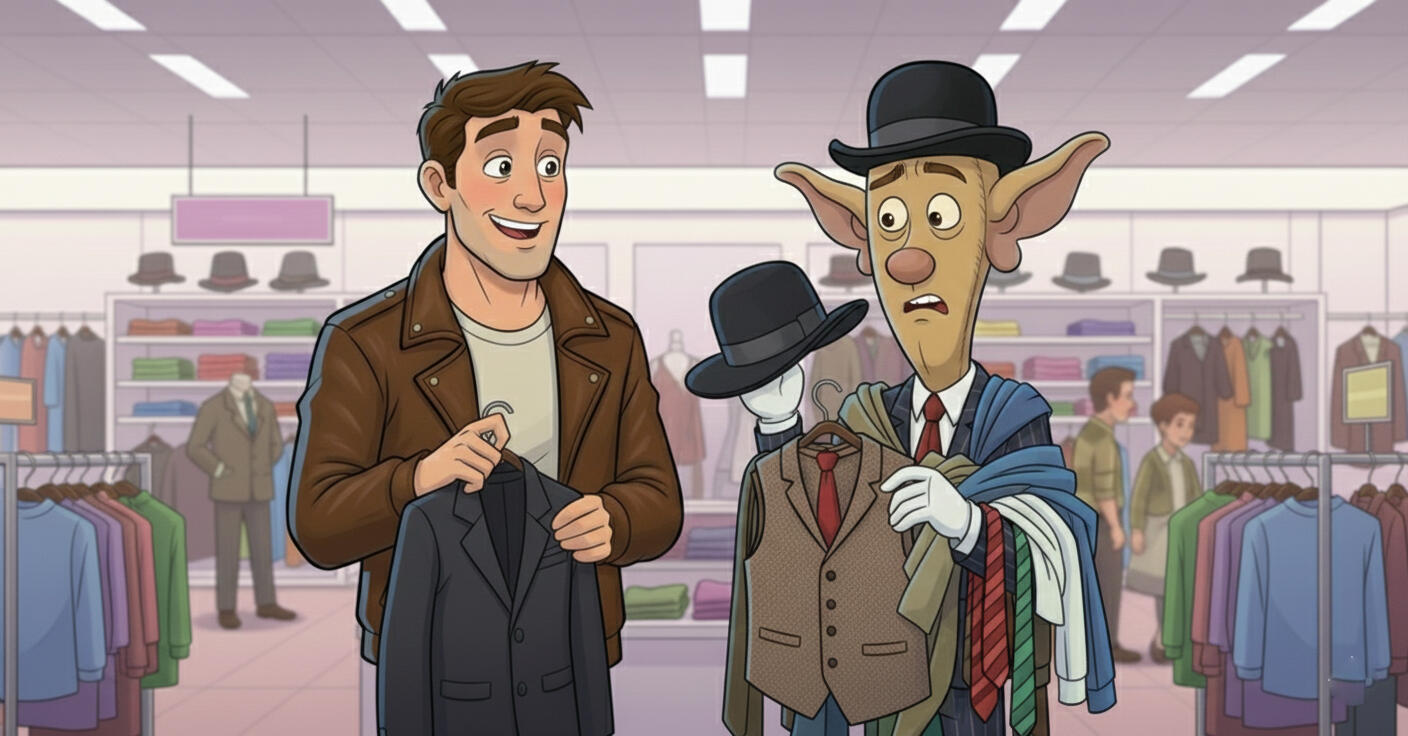
Tom wasn't entirely sure when he'd crossed the line from "sensible unemployment coping strategies" to "potentially selling his soul to build a Kratt," but by Wednesday morning, he was committed to the idea with the kind of determination usually reserved for New Year's resolutions in their first week.His research phase had been thorough, if you count falling down an internet rabbit hole as thorough. Between obscure folklore forums and oddly specific videos about Estonian traditions, Tom had compiled a mental database of information that was either absolutely crucial or completely useless—with no way to tell which was which.The three-drops-of-blood requirement seemed universal across sources, though contract terms with the Devil appeared to vary. The escape clause—tricking the Kratt into self-destruction—was mentioned everywhere but explained nowhere, like a mystery that everyone acknowledged but nobody could solve.But the most pressing issue, oddly enough, became junk acquisition. Tom's apartment, with its minimalist aesthetic, offered slim pickings. His "collection" of potential Kratt components consisted of a broken ceramic mug he'd been using as a pen holder and a single sock that had clearly divorced its partner and was living its best single life.The city, however, proved to be a reliable source of materials. Tom approached his search with the methodical planning he'd once applied to project management at work. The second-hand shops he visited each had their own character—from the organized neatness of curated vintage stores to the chaotic abundance of charity shops where treasures hid among everyday castoffs.Navigating these shops required patience. Tom made his way through crowded aisles where vintage items competed for space, examining potential Kratt components with careful consideration. He found himself evaluating objects not for their intended purpose but for their potential as parts of a supernatural servant—a strange new perspective that occasionally drew curious glances from shop assistants.As he shopped, Tom's vision for his Kratt gradually took shape. The troll doll head caught his eye first—something about its fixed grin and wild hair seemed perfect, as if it already knew what it was about to become. A wooden broomstick for the spine was an obvious choice—traditional, his father would approve—and wire coat hangers worked perfectly for shoulders and a basic frame.The pool noodles for limbs were inspired, he thought. Flexible, lightweight, and oddly human in proportion when cut to size. A red ball of mohair wool he found in a craft section would serve as the heart—perhaps unnecessarily sentimental, but if you're going to create something extraordinary, it might as well have a touch of warmth at its core.The clothing issue required surprising consideration. Tom spent an hour in a vintage clothing store, contemplating what sort of attire would suit a supernatural servant. The resulting ensemble—complete with penguin-tail jacket and a rakishly tilted bowler hat—made his creation look like a gentleman who'd wandered out of a particularly eccentric Victorian dream.Assembly went more smoothly than expected. Though duct tape would have been the obvious choice, Tom opted for copper wire instead, feeling that a Kratt deserved something more refined than the universal solution to household repairs. The wire gave the creation an unexpectedly elegant structure beneath its eccentric exterior.
Standing back to admire his work, Tom had to admit it was either the most brilliant or most ridiculous thing he'd ever created. The Kratt looked both dignified and absurd, like someone had tried to dress the spirit of chaos for a formal dinner party.The doubts, when they came, weren't about the possibility of it working—they were about whether it should work. His mother's warnings echoed in his mind, her concerned expression when she'd said there was "always a price." But there was also his father's gleeful instructions, delivered with the enthusiasm of someone sharing a family recipe that might or might not be slightly illegal.The Kratt grinned at him from its perch in the corner, its pointy and slightly floppy ears catching the late afternoon light. "Well," Tom muttered to himself, "at worst, I've created the world's most overdressed coat rack. At best..." He left the thought unfinished, not quite ready to admit he was considering an arrangement with forces beyond his understanding.Marmalade, who had been observing the entire construction process with professional detachment, finally offered her expert opinion by approaching the Kratt, sniffing it thoroughly, and then walking away with her tail held high—the feline equivalent of a shrug. Apparently, even supernatural servants weren't worth disrupting her nap schedule.
Chapter 7 - Deals, Devils, and Deceptions
There comes a point in every questionable life decision where you have to ask yourself: "Am I really going to do this?" For Tom, that moment arrived as he sat on his couch, drinking a beer and contemplating the fact that he was seriously considering making a deal with Satan. Not metaphorically, like signing up for a gym membership you'll never use, but literally—complete with blood sacrifice and everything.
He'd spent the past week scrolling through job listings that seemed to exist in a parallel universe where "entry-level" meant fifteen years of experience and "competitive salary" meant barely enough to cover rent. The few promising positions had turned out to be elaborate pyramid schemes or companies that had already hired internally but kept the listings up for show. The whole job market felt like a practical joke someone had forgotten to end, with every rejection email starting with "We regret to inform you" and ending with "We'll keep your resume on file"—which everyone knew was corporate speak for digital recycling bin.
The Kratt stood in the corner, its troll-doll face caught in that eternal grin that seemed to say, "Well, you've come this far. Might as well go full idiot." Tom had invested considerable time and effort into this project—the kind of investment that makes you question your life choices but also makes it harder to back out.
"What do you think, Marmalade?" Tom asked his feline consultant, who responded by stretching with elaborate theatricality. Her tail flicked in that particular way that could mean either "You're an idiot" or "I fully support this endeavor but will deny all knowledge if it goes wrong." Cats had mastered the art of plausible deniability long before lawyers made it fashionable.
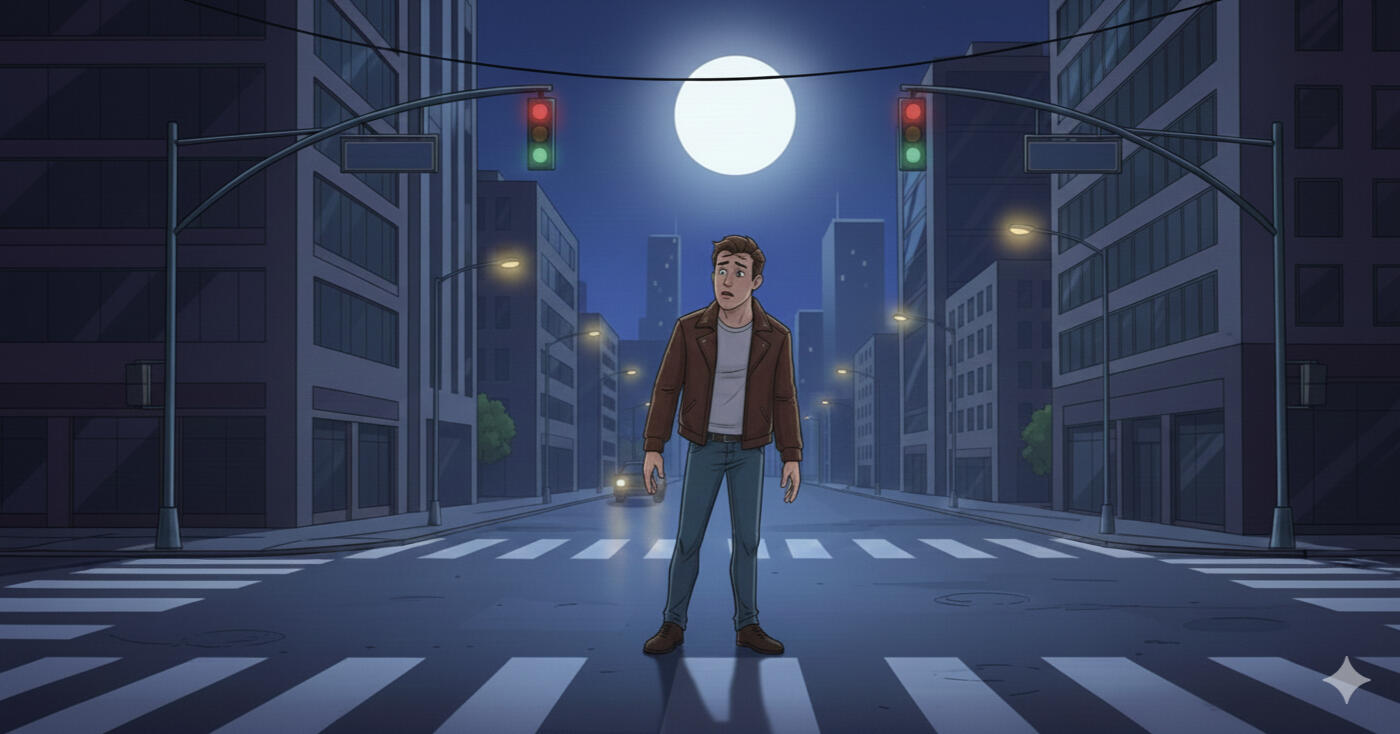
The clock crept toward midnight, each minute bringing Tom closer to a decision that felt increasingly surreal. According to every source he had consulted—from ancient folklore to questionable local legends—midnight at the crossroads was the time and place for demonic dealings. Apparently, Satan preferred to keep things traditional.
Tom found himself at the largest intersection in the city center, standing under a moon so full it cast distinct shadows across the pavement. Not ideal for clandestine dealings, he thought, but folklore rarely accounted for modern streetlights and the occasional passing car. The city had an eerie quality at this hour—the usual daytime cacophony replaced by distant sirens, the sporadic rumble of late-night buses, and the persistent hum of streetlights that seemed to vibrate at a frequency just below human hearing. The air carried the lingering warmth of the day mixed with the sharp scent of exhaust and something else—perhaps just his imagination, but there seemed to be a faint smell of smoke without a source. Tom shifted his weight from foot to foot, feeling both ridiculous and nervous.
"Satan!" he called out, his voice caught somewhere between a whisper and a shout. "I want to make a deal!" His words echoed off empty buildings, making him sound like a street performer who'd lost his audience. He tried again, this time with more names: "Lucifer? Beelzebub? Prince of Darkness?" He felt like he was going through a demonic phone book, hoping one of these names would connect.
Nothing happened. No dramatic smoke, no sudden temperature drop, not even a suspicious black cat crossing his path. The minutes ticked by with excruciating slowness. 12:05 came and went, then 12:15. Tom was just about to call it quits when he heard it.
"Tom! Hey, Tom!"
The voice belonged to Pete. Tom's former coworker stumbled from the shadows, and for a moment, Tom barely recognized him. Gone was the crisp, eager office junior from this morning. This Pete looked like he'd been dragged backward through several happy hours and a existential crisis. His tie had migrated to a position that suggested active escape attempts, while his shirt - wrinkled and half-untucked - appeared to have given up on maintaining any professional pretense. Even in the dim light, Tom could see the shine of stress-sweat on his forehead.
A car swerved around Pete with an angry honk, its horn fading into the distance as he stumbled the final few steps to Tom's side. He was grinning with the particular enthusiasm of someone who'd discovered the secret to life and promptly forgotten it.
"I see you've been partying," Tom observed, taking in Pete's disheveled state with a mixture of concern and reluctant amusement.
"Correct you are!" The answer came with such pride that Pete's grin threatened to split his face in two. He swayed slightly, steadying himself with one hand on Tom's shoulder as if they were old friends rather than former colleagues whose last interaction had involved Pete cheerfully delivering Tom's professional death sentence."And you?" Pete's words tumbled over each other like a failed tongue-twister. "What're you doing out here? Middle of the road... middle of the night?" He gestured vaguely at their surroundings, nearly losing his balance in the process.Tom weighed his options. On one hand, telling the truth seemed inadvisable. On the other hand, Pete looked unlikely to remember his own name in the morning, let alone this conversation. "Oh, you know," Tom said casually, "just trying to summon Satan to make a deal about bringing my Kratt to life. The usual Wednesday night stuff."
Pete's whistle of appreciation turned into more of a wheeze."Bold move, mate. Bold move." He stumbled closer, using Tom as a human crutch. "But listen, about your job... I'm really sorry, man. You've got options though, yeah? Real options! Not just... whatever this is. You're smart! Capable! Why waste that on... what, treasure hunting?"
"It's like a supernatural retirement plan," Tom joked weakly. "Ten to twenty years of easy living."
"Fair enough," Pete shrugged, a movement that nearly toppled him completely. Then, as if on cue, he lost his balance entirely, sending his bottle crashing to the ground in a spectacular display of gravity's inevitability.Tom sighed and bent down to help, both with Pete and the broken glass. "For crying out loud," he muttered, carefully picking up the larger pieces. That's when it happened—a sharp bite of glass into his finger, followed by the warm welling of blood."DAMN IT!" The curse echoed off the buildings as Tom fumbled for his handkerchief, watching three perfect drops of blood fall onto the asphalt."That's... your contract signed then. Ten years," Pete said, his voice suddenly clearer, more focused. The slurring had vanished entirely, replaced by a precise articulation that seemed impossible from someone who'd appeared so thoroughly intoxicated moments before. His eyes, previously unfocused, now watched Tom with an unsettling clarity and ancient intelligence.When Tom looked up to respond, Pete was gone. Not just gone—there was no trace of him or the broken glass. The street was empty, as if the entire interaction had been a particularly vivid hallucination.Tom turned in a slow circle, his bandaged finger throbbing like a reminder that at least part of what had just happened was real. The crossroads stood silent under the moonlight, but somewhere, just at the edge of hearing, something that might have been laughter floated on the night air.A chill ran through him that had nothing to do with the temperature. Had he actually done it? Had he really made a deal with the Devil, who had apparently been wearing the face of his former coworker? Tom's mind raced between disbelief and a growing certainty that something irreversible had just occurred. He glanced down at his finger, still oozing slightly through the makeshift bandage, and thought of the Kratt waiting in his apartment. Would he return home to find it animated? Or would there be more steps, more tests of his resolve? The strangest part wasn't the fear he expected to feel, but the ripple of anticipation that ran through him as he turned toward home—a sensation uncomfortably close to excitement.
Chapter 8 - Mohair Hearts and Mona Lisa Smiles
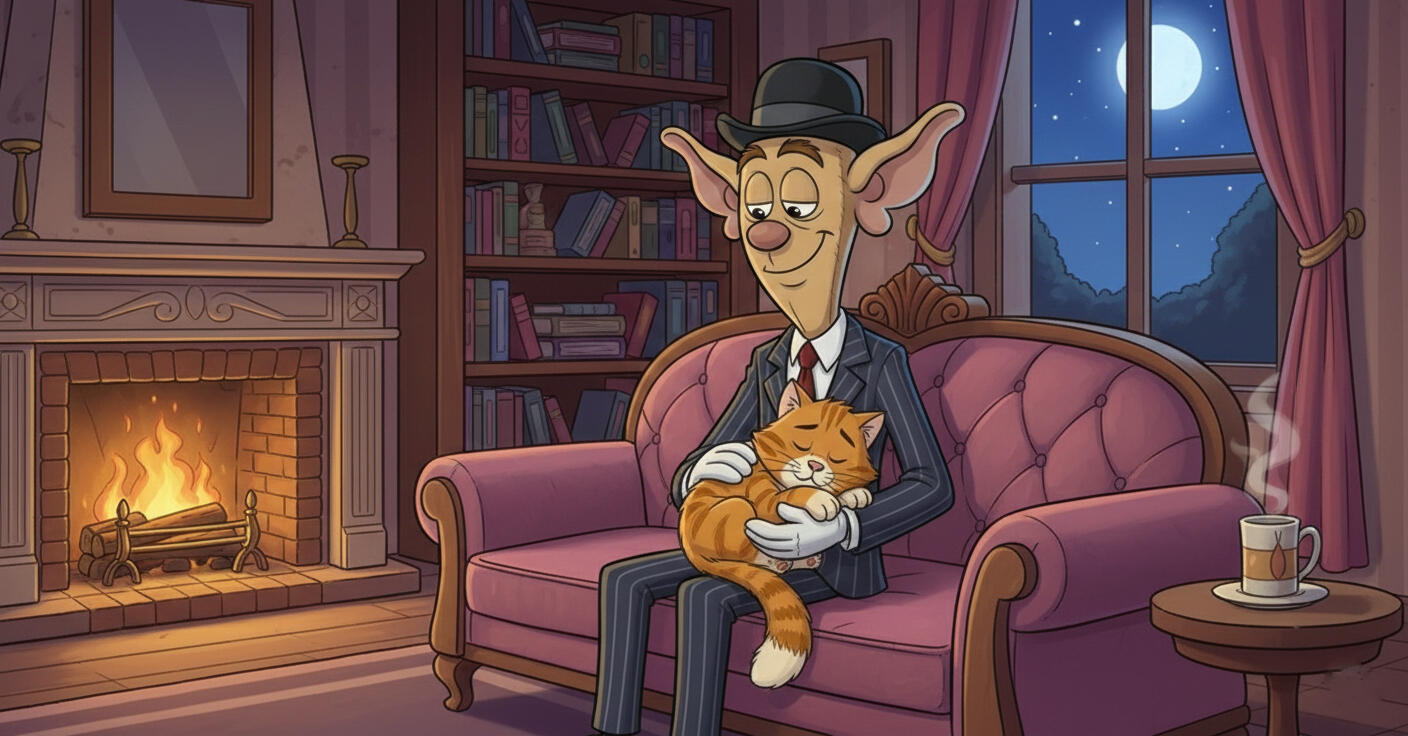
There are certain moments in life that your brain simply refuses to process, like trying to divide by zero or understanding why anyone would voluntarily eat black liquorice. For Tom, walking into his apartment to find his Kratt alive and petting his cat was definitely one of those moments.The scene was surreal enough to make Salvador Dalí ask for a reality check. There, perched on his sofa with all the dignity and reservedness of a Victorian gentleman at afternoon tea, sat the Kratt. Its pool noodle arms, encased in pristine white gloves, were gently stroking Marmalade, who had settled comfortably in its lap. The cat's eyes were half-closed in contentment, her usual alertness replaced by obvious pleasure at the attention.Tom stood frozen in his doorway, his brain struggling to process the scene before him. The simple act of walking into his own apartment had somehow become a surreal experience that left him questioning reality itself. His feet, apparently making executive decisions without consulting his brain, chose this moment to tangle with each other, and he stumbled forward, catching himself against the wall just before making an unplanned inspection of his floor tiles.For a long moment, he stayed there, one hand pressed against the wall, trying to convince himself that what he was seeing was real. He'd spent the entire walk home wondering what he'd find - perhaps a pile of junk where he'd left the Kratt, or maybe some sign that his encounter with Pete had been a peculiar dream. Instead, he'd walked into... this.Steadying himself, he tried to approach the situation as if finding a living Kratt in his apartment was a perfectly normal occurrence. He went through his usual coming-home routine - shoes off, jacket hung up, keys in the bowl - each mundane action feeling strangely comforting in its familiarity. His fingers fumbled with his shoelaces more than usual, and he may have spent an unnecessarily long time arranging his jacket on its hook, but these small, normal tasks helped anchor him to reality.When he could no longer pretend to be organizing his shoe rack, he straightened up and cleared his throat, wondering what exactly one says to a magical construct that's currently sitting in your living room."Hi, I'm Tom," he said, extending his hand like this was a job interview rather than a meeting with a magical construct he'd created from junk himself. The Kratt regarded his outstretched hand with an expression that somehow managed to be both blank and judgmental—the kind of look usually reserved for people who've just asked a spectacularly stupid question.The silence stretched until it threatened to snap, at which point Tom withdrew his hand, feeling like he'd just failed a social interaction with something that technically shouldn't even be alive. "Right. Too formal? Probably too formal." He cleared his throat, suddenly hyperaware of how odd it was to be standing in his own apartment feeling like an intruder.The Kratt maintained its silence, but its body language suggested a contentment that seemed at odds with all the folklore about their dangerous nature. Its head tilted slightly, making its ears flop comically, as it focused on finding exactly the right spot behind Marmalade's ears. Each careful stroke seemed deliberate, almost tender, and Marmalade responded with appreciative contentment.Perhaps it was the mohair heart, Tom mused. He'd chosen that soft red ball of wool as the Kratt's heart because it had seemed right somehow. Now, watching the measured movements of his creation, he wondered if he'd accidentally created something with more capacity for gentleness than he'd intended.Questions bounced around Tom's tired brain like a Windows screensaver. Could it talk? Did it understand him? Was it just choosing not to respond? Was this what parenthood felt like—this mixture of pride, terror, and confusion? The Kratt was, in a way, a newborn, albeit one dressed in a vintage suit – a very dapper baby, with possibly pyromaniac tendencies, if his father's warnings were to be believed.But exhaustion was starting to cloud Tom's judgment, making even the most pressing questions feel like tomorrow's problem. His grandmother had always said, "The morning is wiser than the evening," meaning, that night's rest could bring clarity where hours of immediate deliberation couldn't, and right now, the wisdom seemed particularly applicable."Right then," Tom announced with false confidence, "bedtime it is." He fetched spare bedding and arranged it on the sofa beside his supernatural houseguest, trying not to think too hard about whether Kratts actually needed sleep, or if they perhaps even dreamt?After his usual bedtime routine—during which he tried very hard to act like this was just another normal evening—Tom called for Marmalade. Normally, she would come to him after making it clear that she was doing so entirely on her own terms. Tonight, however, she remained firmly planted in the Kratt's lap, unwilling to abandon her new companion."Fine," Tom muttered, feeling a twinge of jealousy. "Choose the magical construct over me. See if I care." He shut his bedroom door with perhaps more force than necessary, then opened it again slightly because he wasn't actually angry, just a bit hurt, and he didn't want Marmalade to think he was really mad at her.As he lay in bed, staring at his ceiling and listening to the occasional sound from the living room, Tom couldn't help but wonder what exactly he'd gotten himself into. He'd created a Kratt, apparently signed a contract with the Devil (or at least one of his representatives – could Peter really be...?), and somehow managed to lose his cat's loyalty in the process.Still, he thought as sleep began to creep in, at least Kratt seemed well-behaved. And it hadn't tried to burn anything down or demanded a job yet, which was a good sign.
Tomorrow would bring its own challenges—like figuring out how to explain a Kratt to his neighbors, or whether Kratts needed to be registered for tax purposes. Probably not.But those were problems for morning Tom. Current Tom was content to drift off to sleep, lulled by the gentle sounds of his apartment and the knowledge that, for better or worse, his life had irrevocably changed.
Chapter 9 - Unwelcome Efficiency
Tom woke to the sound of Marmalade meowing and something that sounded suspiciously like the phrase, "Give me a job!" His sleep-addled brain tried to rationalize this as a dream, the way you tell yourself that the strange noise downstairs is definitely just the house settling. But even in those first foggy moments of consciousness, he knew better. The events of last night rushed back to his mind like a flash flood: the crossroads, Pete's transformation, three drops of blood on asphalt. The morning sunlight slicing through his curtains brought with it the kind of clarity he really could have done without.
"Give me a job!" The voice came again, more insistent this time.
Tom stumbled out of bed, the crust of sleep still in his eyes, and shuffled to the living room where reality continued its assault on his sanity. There sat the Kratt on his sofa, exactly where it had spent the night, looking for all the world like an eager employee who'd arrived three hours early for their first day. Marmalade was still perched on its lap, enjoying the gentle attention of its gloved hands.
"Give. Me. A. Job," it said again, each word clear and precise, like someone learning to speak for the first time and taking great care with each syllable. Its voice carried a peculiar but not unpleasant quality—neither high nor low, with the sort of timbre that belonged to forgotten medieval chants, as if it was still figuring out exactly how sound worked.
Tom blinked, his brain struggling to catch up. The shock of hearing it speak after last night's stony silence momentarily overrode even his desperate need for caffeine. Last night it had just watched him with that fixed expression. Now it was talking? Making demands? The Kratt was evolving faster than he'd anticipated—fascinating and terrifying in equal measure.
"Need coffee," Tom muttered, swinging his legs out of bed.
"No coffee. Job."
"Coffee first, then job." Tom shuffled toward the kitchen with the grim determination of someone who refused to face supernatural demands on an empty stomach and zero caffeine. Surely even a Kratt could wait three minutes for him to brew a cup?
"NO COFFEE!" The Kratt rose to its feet, and somehow its height seemed more imposing than Tom remembered, filling the space between them with unexpected authority.
Tom stopped mid-shuffle, turned slowly on his heel, and fixed the Kratt with a look that could have withered plants. "Listen," he said, his voice dropping to the dangerous quiet of the truly uncaffeinated. "I'm the boss here, and I say when a job needs doing. And there are no jobs given until I've had coffee. That's Rule Number One."
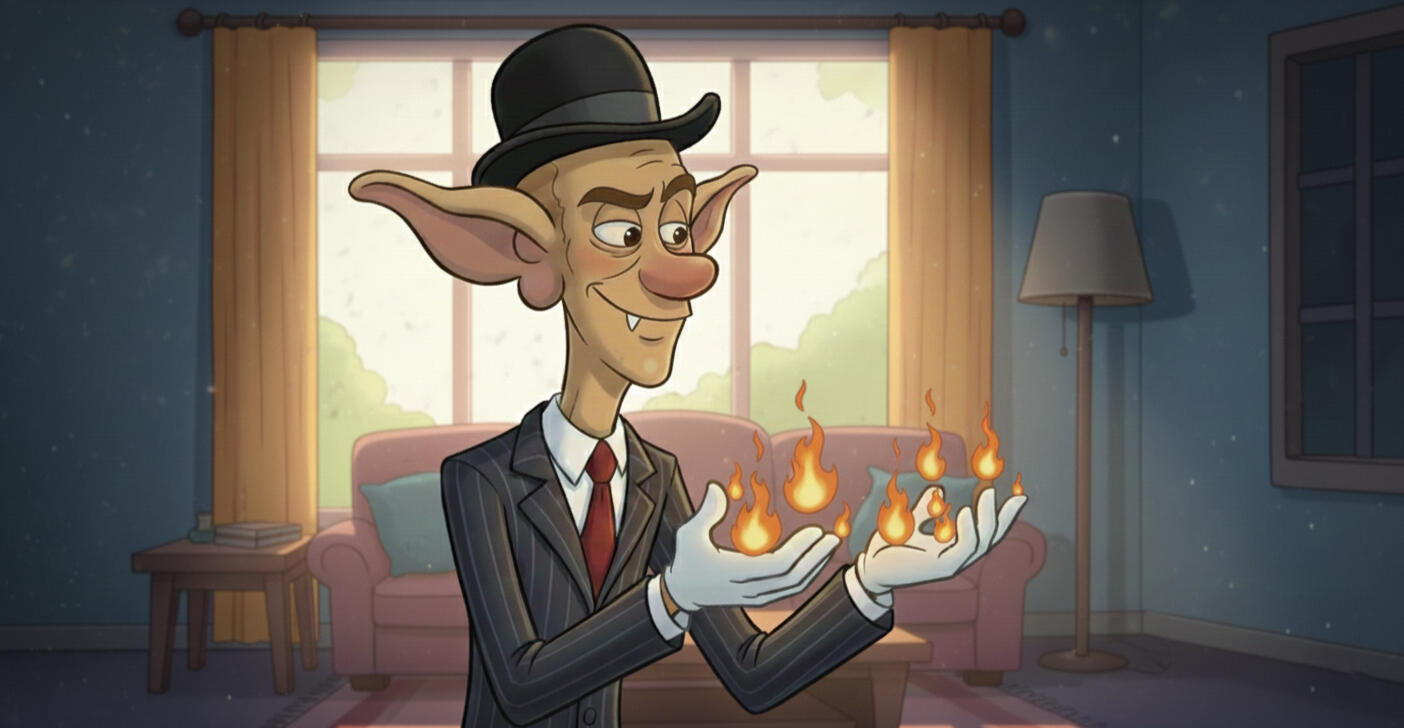
Then noticing flickers of fire sparking from the Kratt's fingertips, Tom added: "Rule number two – no fires of any kind in the house! Ever! Got it? So cut that out now!" Tom gave the Kratt as mean a stare as he was capable of while still being terribly sleepy.
The Kratt tilted its head in consideration, processing this new information with visible interest. Then it sat back down, resuming its gentle petting of Marmalade.
Tom watched it process the command, suddenly wondering if rules meant anything to a being created through blood magic and a deal with the Devil. It wasn't like he could ground it or dock its pay.
Tom filled the kettle, his hands moving through the familiar motions while his mind raced. A living Kratt in his apartment was one thing - but a living Kratt that could talk? That was eager to work? His father's warnings about keeping it busy suddenly felt a lot more pressing. As the kettle boiled, he glanced over his shoulder at his peculiar roommate. At all times he felt the Kratt's eyes on him, following his every move.
Once the coffee was finally made—blessed caffeine—Tom started to feel human again. He sat at the kitchen table, mug in hand, and gestured for the Kratt to join him. "Right," he began, trying to sound more confident than he felt. "Since you're going to be here, we need a system. First, here's the key."
Tom handed over a spare set of keys, explaining their purpose with the patient tone of someone talking to a small child. "This one opens the building's front door. This one is for our apartment. This thing—" he held up the key fob— "is basically magic. You press it against the little pad, and it lets you in. Got all that?"
The Kratt stared at the items in its hands, then at Tom, then back at the keys with an expression of intense fascination.
Tom sighed. "Right. We'll practice later."
He took another fortifying sip of coffee. "Now, if you're going to be so keen on jobs, you might as well learn to be useful. Come here." Tom led the Kratt to the coffee maker and ran through a crash course on its operation. The Kratt nodded along, studying each button and lever as if memorizing the secrets of the universe.
"Rule Number Three," Tom added, "if you're in such a hurry to work in the morning, you can make me coffee first. Got it?"
The Kratt gave a slow, deliberate nod.
"And once more - NO setting things on fire," Tom reiterated, just to be safe.
"Fire bad," the Kratt agreed.
"Good," Tom said. Then, after a moment of hesitation: "Great chat. Now, let's see about finding you a job."
The Kratt's face lit up—or at least, it seemed to. With its perpetual troll-like grin and wide, eager eyes, it was hard to tell, but there was definitely a shift in its energy.
Tom slathered butter on a slice of bread, buying time while he considered his options. He hadn't exactly planned this far ahead.
Across the room, the Kratt stood motionless, its attentive gaze fixed on Tom. The longer Tom delayed giving it a task, the more he could feel an anxious energy building in the room, like static before a storm.
"Okay," he said finally, setting down the butter knife. "You want a job? Fine. Bring me... let's say a thousand euros."
The Kratt's head tilted sharply to the side, processing this request with visible intrigue. Tom could almost hear the imaginary cogs turning.
"Cash," Tom added. "And don't take it from women with children or the elderly." He paused, trying to figure out how to explain ethics to something made of straw. "Just... people who seem like they can afford it? Or people who are, you know, not good people?" This was harder than he thought. "We have standards. We should have standards..." he corrected himself. "Look, just bring money and try not to hurt anyone in the process, okay?"
The Kratt nodded once—a crisp, efficient gesture—and then it was gone, disappearing out the door faster than Tom could say, "Wait, do you even know where you're going?"
Marmalade, who had been watching the exchange from her perch on the windowsill, let out a sharp hiss at the sudden movement and slammed door. She turned to Tom with an accusatory stare, as if he were somehow responsible for her new companion's abrupt departure.
Tom stared at the empty doorway, sandwich forgotten in his hand.
"Well, that's... efficient," Tom muttered, trying to process what had just happened. He finished assembling his sandwich, taking a distracted bite as he moved to the kitchen table. He was just beginning to enjoy this unexpected moment of peace when the door slammed open.
The Kratt strode back in, holding a handful of notes with an air of accomplishment that would have made any employee of the month jealous.
Tom froze mid-chew, his brain struggling to catch up with reality. "You've got to be kidding me – back already!"
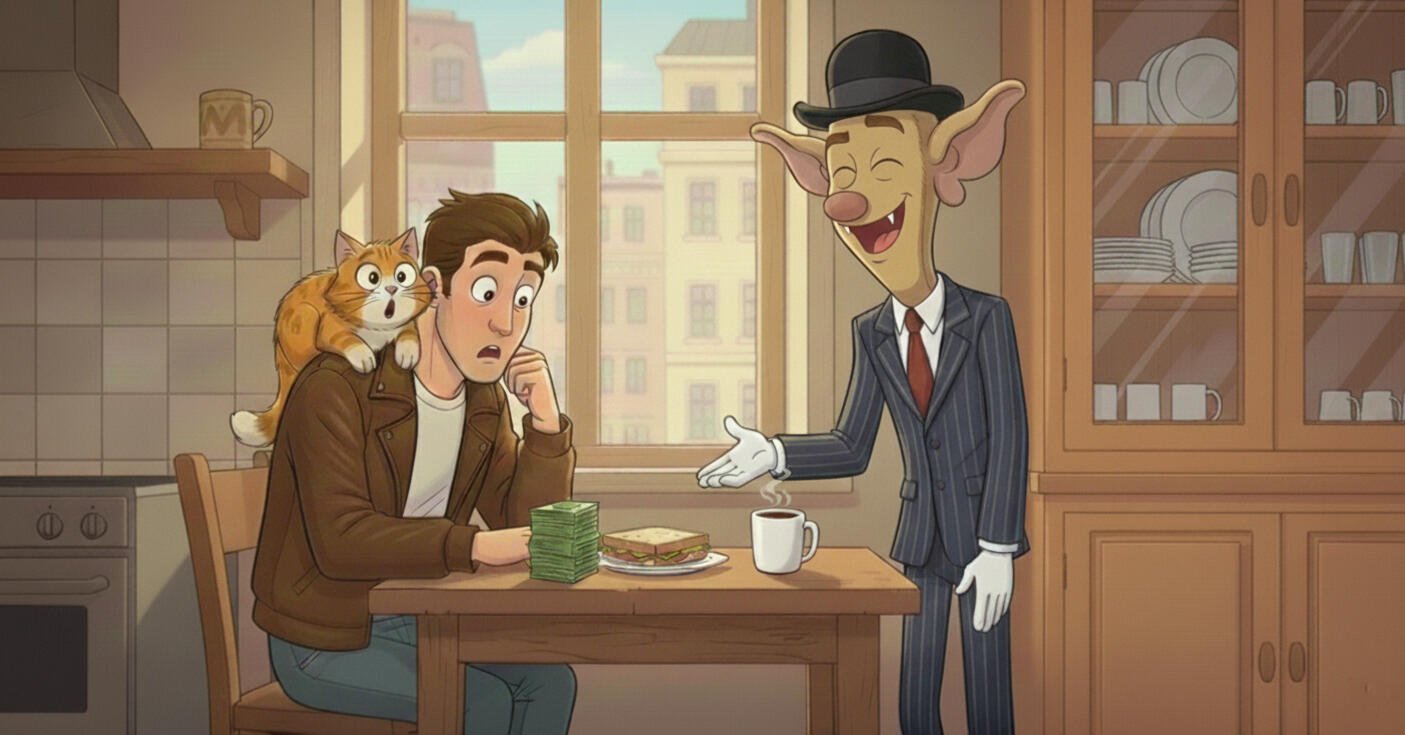
The Kratt placed the money on the table with a flourish. Tom shoved his plate aside and grabbed the cash, thumbing through the bills. "This is... wow. This is actually a thousand euros."
The Kratt nodded again, its pool noodle arms and coat hanger shoulders somehow managing to radiate pride.
"And you definitely didn't rob anybody, right?"
The Kratt shook its head, its movements still precise and deliberate.
Tom slumped into his chair, rubbing his temples. "Right. So, here's the thing. Normally, I'd be thrilled, but this—this feels way too easy. Where did you even—"
He stopped himself. Did he really want to know? Kratt said it hadn't robbed anyone, and maybe that was enough. These were questions he should have asked before creating a magical money-fetching servant, not after the cash was sitting on his table. Now, digging for details would only lead to scenarios he'd rather not imagine and guilt trips he definitely didn't need.Sometimes willful ignorance was an act of self-preservation.
No, he decided. He wouldn't think about this. Not now, not ever. This was the bargain he'd made—perhaps the first of many moral compromises the next ten years would bring. He was crossing a line, accepting mysterious money without questioning its source, and he was doing it with his eyes wide open. The realization should have bothered him more than it did. But something about shaking hands with the Devil had apparently recalibrated his ethical compass, shifting "wrong" a few degrees toward "pragmatic."
The Kratt's unchanging expression offered no answers, though its silence somehow managed to convey both perfect innocence and mild amusement at Tom's internal crisis.
"Okay," Tom said finally, exhaling. "Good. And... thank you."
The Kratt nodded once, crisp and efficient. Job done. What's next?
Tom stared at the cash for another moment, then decided he'd better finish his sandwich. Something told him he was going to need the energy for whatever came next.
Chapter 10 - Calibrating the Kratt
Tom stared at the stack of bills on his kitchen table, the kind of money that would take him a month to earn after taxes had their way with his paycheck. Kratt had brought it in minutes. He let out a quiet laugh that surprised even himself. Easy money always came with strings attached—usually the kind that led to people who treated baseball bats as business equipment.
The bigger problem was Kratt himself. Tom had been clear about the rules: no robbing people. But there was no way to verify if Kratt had actually followed them. No security footage to review, no transaction history to trace, not even a digital footprint to follow. Just blind trust in a creature he'd literally conjured into existence. In an age where you could track a pizza delivery in real-time, having zero oversight felt particularly unsettling. Marmalade, who had been watching the proceedings with her usual air of sophisticated interest, offered no insights beyond a thoughtful tail swish.
"Well," Tom muttered, massaging his temples, "I guess I'll find out when the police show up."
Sitting at his kitchen table, picking at a sandwich, Tom felt the weight of possibility pressing down on him. Kratt was efficient—maybe too efficient. He'd barely finished making his sandwich when a thousand euros appeared on the table like an unexpected gift from a suspiciously generous universe.
He needed to think this through properly, not like someone who'd stumbled upon a video game cheat code. What would a sensible person do with extra money? The practical things first: catch up on bills, stock the kitchen properly, maybe finally upgrade from the discount bin to the actual produce section. He could replace his winter coat - the current one had more patches than his streaming watchlist. And shoes... proper shoes that didn't broadcast his arrival on rainy days like a one-man band. Perhaps even a coffee maker that didn't sound like it was plotting revenge.
Then there were the more interesting possibilities. Books, for instance. Tom paused mid-chew, watching Kratt who stood motionless by the window, somehow looking both patient and eager at the same time. Could it handle something that specific? Or would it return with a random assortment of volumes, like an algorithm gone rogue in a library? Tom could already picture trying to explain the difference between editions while Kratt tilted its head with the same blank expression people get when someone tries to explain why they need yet another messaging app.
The whiskey test seemed like a good way to gauge Kratt's discernment. If it could bring back a proper single malt, that would mean something. If it showed up with something that could double as paint thinner, they'd need to have a serious talk about quality standards.
But the real concern lurked in the back of Tom's mind like a shadow at sunset. What happened when he ran out of requests? Did Kratt just... power down? Or would it start getting creative? Tom suddenly felt very motivated to test Kratt's limits carefully, before things went sideways.
He finished his sandwich and pushed the plate aside with a sigh. Kratt, who'd been standing there like an eager student waiting to be called on, immediately perked up.
"Give me job," it said, somehow making even this demand sound like the beginning of a conversation.
Tom pinched the bridge of his nose. "I literally just finished eating. Can I digest first?"
Kratt stared, its head tilted at that now-familiar angle that suggested processing.
"Fine," Tom said. "Let's try something different." He gestured to the chair opposite him. "Sit."
Kratt sat down like someone who'd learned about chairs from a technical manual. Tom studied it across the table, noting how even in stillness it seemed to hum with potential energy. "We need to figure some things out before I start handing out more assignments."
"First question. Can you read?"
Kratt gave him a measured look, walked to the bookshelf, and returned with a book that made Tom wonder if the universe had a sense of humor: "Understanding Your Taxes: A Guide for Responsible Adults."
"Really? That one?"
Kratt read the title aloud, giving the mundane words an almost poetic quality.
"Alright," Tom said, "next test." He glanced around for something straightforward. "Bring me the blue mug from the shelf."
What followed was a small comedy of errors involving a red mug and Kratt's apparent certainty that if it pushed it closer to Tom, it might somehow become blue. After some clarification that would have tried the patience of a kindergarten teacher, Kratt finally brought the correct mug. Marmalade, watching from her perch, looked thoroughly entertained by the whole color-identification drama.
Kratt paused. "Job."
"Yeah, I got that part. Anything else?"
After a long moment, Kratt spoke in its peculiar voice: "You made me."
Tom's stomach did a flip. The statement hung in the air, oddly profound for something that had been struggling with color identification moments ago. Why bring that up now? Was there more awareness behind those troll-doll eyes than he'd assumed? Or was this just another quirk of whatever consciousness he'd accidentally created, like its love of petting Marmalade or its obsession with jobs?
"Yeah. I did."
"So give me job."
Tom let his head drop to the table with a soft thud. They were getting nowhere.
Later, staring at the money again, Tom considered his next move. Something simple but specific. A test. He thought about rare books, the kind that lived more in rumor than on shelves. "The Chronicle of Unsolicited Wisdom" by Professor Horace Tickler, first edition. A thousand copies of bizarre advice and questionable philosophy, somewhere between self-help and fever dream. Perfect.
Tom wrote out his request, adding "And a basket of exotic fruit. Please." Because manners mattered, even with supernatural entities. Marmalade, who had relocated to observe from the table's edge, watched his writing with the air of a professor monitoring an exam.
As Kratt headed for the door, Tom felt a twinge of doubt. What if this was too much? But then again, wasn't that the point? To find out exactly what—or who—he was dealing with? Marmalade's tail twitched in what might have been encouragement or warning - with her, it was sometimes hard to tell the difference.
Chapter 11 - The waiting game
What happens when you give a Kratt an impossible task?
Tom frowned, trying to remember his father's stories about Kratts, but most of those memories were buried under his dad's tendency to chase punchlines rather than folklore accuracy. He vaguely recalled something about a Kratt that had been asked to count stars and ended up standing in the same spot for three days, but he wasn't sure if that was a warning or just another of his father's creative tangents.
His late-night Google deep dives hadn't helped much either. The stories varied wildly, like urban legends filtered through too many group chats. Some said a Kratt would just shut down like a crashed computer, others claimed it would turn on its creator like a badly coded AI. One particularly dramatic post insisted the Kratt would explode in a burst of supernatural fireworks. Each account contradicted the last, and none of them seemed to agree on whether anyone had actually witnessed these events or just heard them from their cousin's roommate's grandmother.
Tom really hoped it wasn't that last one. The security deposit on his apartment definitely didn't cover supernatural explosions.
The hours crawled by like a loading bar stuck at 99%. He checked his phone constantly, his leg bouncing under the table with enough force to make his coffee mug rattle. Each minute felt like it was stretching into ten, and his imagination helpfully supplied increasingly dramatic scenarios of what might be happening out there. Marmalade, sensing his anxiety like a furry emotional barometer, curled up next to him with a look that clearly said, "You did this to yourself."
Tom tried watching TV to distract himself, but everything seemed to remind him of Kratt. The crime show felt too real - especially when they started discussing missing artifacts. The cooking show's knife work made him nervous, his mind immediately jumping to what Kratt might do with that kind of precision. Even the weather report seemed ominous, with its talk of unexpected patterns and unusual phenomena.
By 8 PM, guilt had settled in his stomach like a heavy meal. What if Kratt was out there stuck in an endless search loop? What if he'd accidentally created some kind of supernatural blue screen of death? Or worse—what if Kratt had decided to take the direct approach with some unsuspecting book collector? The evening news would have a field day with that one: "Local Collector Terrorized by Victorian Gentleman Made of Pool Noodles."
The apartment grew darker as the sun set, but Tom couldn't bring himself to turn on more lights. The shadows felt appropriate for his mood, and besides, the dim lighting made it easier to pretend the empty doorway wasn't mocking him. Outside, the city settled into its evening routine, the usual traffic sounds providing an oddly comforting backdrop to his worried thoughts.
At exactly 9:07 PM, the door opened.
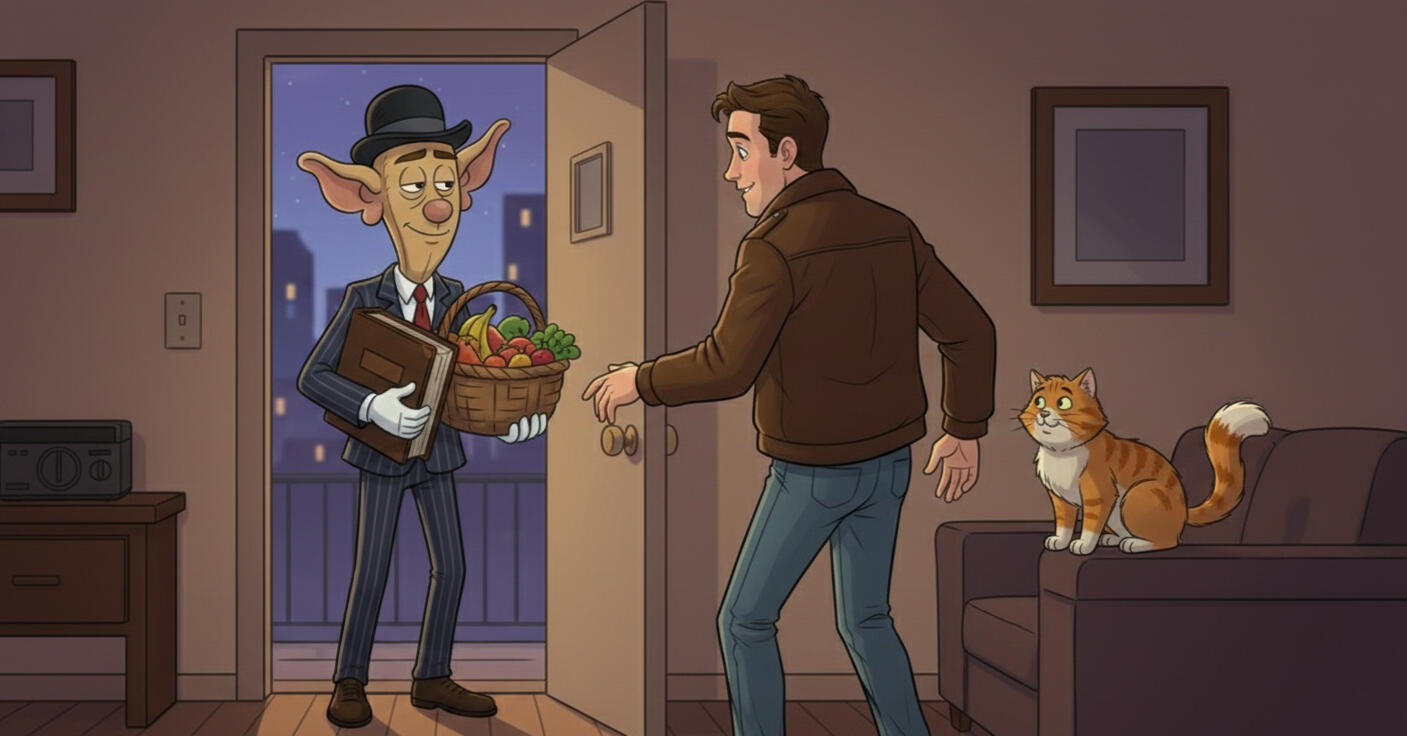
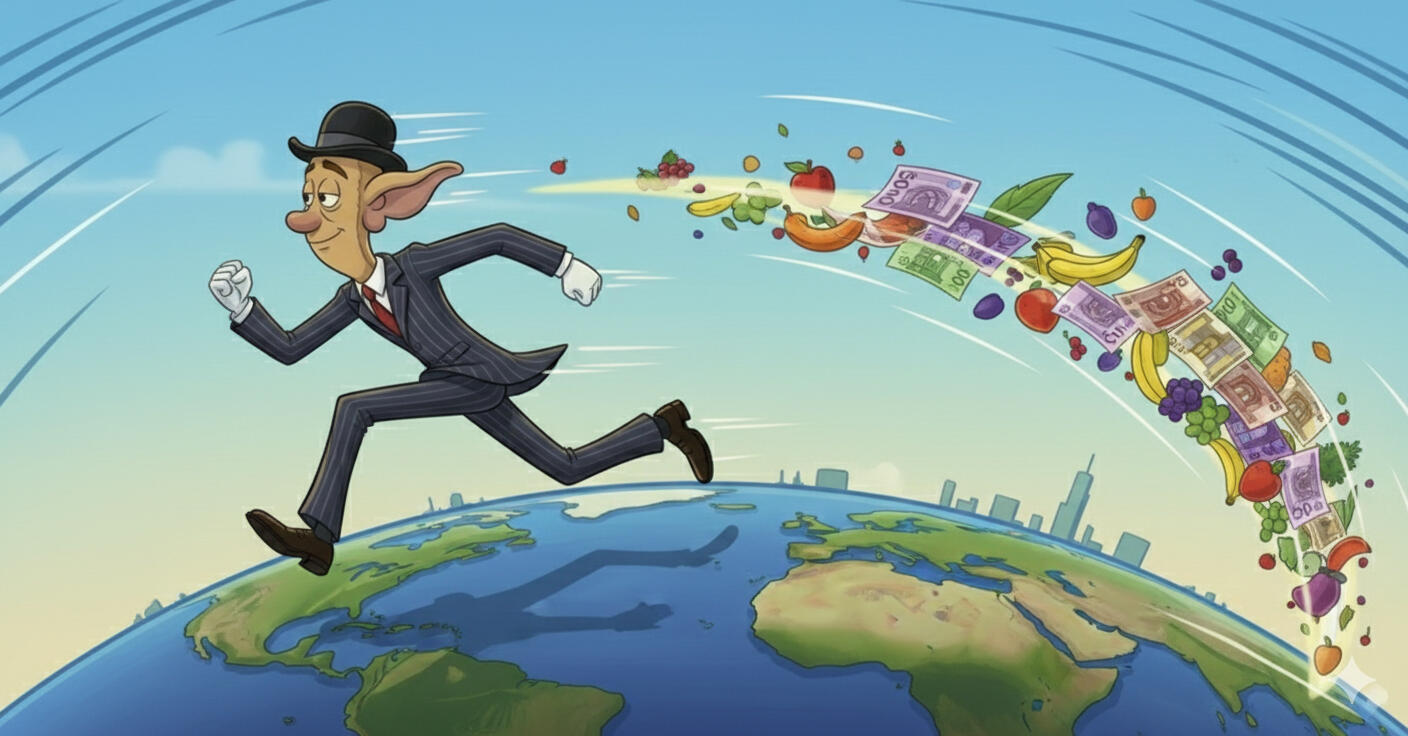
There stood Kratt, looking like someone who'd just finished a particularly intense scavenger hunt. In one hand, he held The Chronicle of Unsolicited Wisdom, first edition, its leather binding gleaming softly in the half-light. In the other, a basket of exotic fruit that included something spiky that looked like a medieval weapon and smelled like gym socks, something purple that seemed to be gently pulsing, and what might have been a banana if bananas came in electric blue.
Tom exhaled heavily. Marmalade made a sound like a tiny food critic confronted with store-brand cat food and stalked away, clearly unimpressed with the aromatic additions to her domain.
"You actually found it?" Tom gestured vaguely at Kratt's haul.
Kratt nodded.
Tom collapsed onto the couch, too relieved to ask questions about acquisition methods. "Good job. Really good. But maybe we'll cool it with the rare book hunting for a while."
Kratt straightened. "Job?"
"No more jobs tonight! We're going to sit down, eat junk food, and watch something mindless. That's an order."
To Tom's surprise, Kratt accepted this without argument. Ten minutes later, they'd settled into an odd tableau: Tom with a bowl of popcorn, Kratt sitting like he'd googled "how humans sit" and taken the first result too literally, and Marmalade wedged between them like a furry boundary line.
Tom glanced at Kratt, who was watching TV with the intensity of someone trying to decode nuclear launch codes. "You know, normal people move when they watch TV. They get comfortable. They don't just... power-save mode."
Kratt tilted his head.
"Here, just—lean back. Relax."
Kratt reclined with all the natural grace of a falling domino.
Tom sighed. "We'll work on it. Though I probably shouldn't have used that old broom handle for your spine..."
And so they settled in—human, Kratt, and judgmental cat—for a surprisingly normal movie night.
Chapter 12 - The Perks of an Overachieving Minion
Tom woke to the smell of coffee, his brain taking a moment to boot up like an old laptop. It was 8 a.m. - technically a reasonable time for a functioning adult, which made him slightly suspicious of himself. Through his bedroom window, he could see the morning sun painting the city in shades of possibility, making even the graffiti on the opposite building look almost artistic.
The unusual silence registered next. No Marmalade performing her morning opera of starvation. After two years of her precise timing - one aria at 6:30, a dramatic crescendo at 7:00, and a final desperate plea at 7:30 - the silence felt wrong. Tom called out twice, and she finally appeared, giving him a drive-by leg brush before rushing back to the kitchen.
The kitchen, where coffee was brewing. The kitchen, where Kratt was. Oh right.
Last night's events crashed back into his consciousness: the impossible book retrieval, the exotic fruits, the oddly domestic evening of television. Tom shuffled into the kitchen to find Marmalade purring in Kratt's lap, enjoying attentive strokes that seemed to hit every feline-approved spot with unerring accuracy. Kratt, meanwhile, stared at the coffee maker with patient intensity. The machine seemed to be performing better than usual - perhaps intimidated by its new operator's unwavering attention.
"Give me job?" Kratt said the moment Tom appeared.
"Remember our talk about coffee before commands?" Tom mumbled, pouring himself a cup and letting the caffeine jumpstart his system. The coffee was perfect - better than he'd ever managed to make it himself. He wondered if Kratt had spent the night studying the optimal brewing process.
The fruit basket from last night dominated the table like a tropical invasion. Strange scents wafted from it - sweet, spicy, and something that reminded Tom of summer storms. Kratt sat across from him, hands folded like an eager intern at their first meeting, radiating an energy that suggested it had been waiting hours for Tom to wake up.
Tom took another sip. "First thing you say in the morning is 'Good morning.' That's the rule."
Kratt nodded, processing this new social protocol with visible interest. Its head tilts were becoming more fluid, less mechanical - as if it was slowly learning the art of human gestures.
"Good morning, Kratt. How did you sleep?"
"Good morning, Tom. I slept horizontally," Kratt replied, a hint of pride in his tone at mastering this basic human function.
Tom snorted into his coffee. "Can't argue with that logic."
"Now ask me how I slept."
"How did you sleep?"
"Great, thanks for asking!"
The silence that followed stretched out like a rubber band. Tom watched Kratt's earnest attempt at morning conversation with a mixture of amusement and wonder. Had his supernatural helper spent the night practicing social niceties? He could almost picture Kratt diligently working through the basics of human interaction like a particularly dedicated exchange student, treating 'How did you sleep?' with the same gravity as solving complex equations.
The moment was interrupted by Marmalade, who decided to remind everyone of her presence with a series of increasingly dramatic meows. She wound between Tom's legs in elaborate figures of eight, somehow managing to convey both utter starvation and mild disappointment that her morning pampering session with Kratt had been interrupted.
"Here's your morning job—besides the coffee," Tom said, recognizing an opportunity to channel Kratt's eagerness into something useful. "Feed Marmalade. Cat food's in the cupboard, put it on a plate."
Kratt approached the task with the same dedicated precision it gave to everything else. The cat food was transferred to the plate in a perfect cylinder, maintaining its can shape so precisely it looked like it had been measured with calipers. Marmalade observed this culinary presentation with an expression that suggested she was mentally composing a scathing review of the establishment, then proceeded to eat anyway, maintaining her dignity even as she demolished the evidence.
"Where'd you get all this fruit?" Tom gestured at the basket, where something purple was still gently pulsing and what looked like a miniature pineapple appeared to be humming to itself.
Kratt sat up straighter. "From trees."
"Yes, but where? This isn't exactly mango-growing country."
"Brazil. Spain. Thailand. Philippines."
Tom nearly wore his coffee. "You went to all those places? Overnight?"
"I run really fast."
The casual way Kratt delivered this explanation made Tom's head spin. How fast was "really fast"? Fast enough to cross oceans? To outrun radar? To visit four continents and be back in time to make perfect coffee? He decided some questions were better left unasked, at least before a second cup of coffee.
"And the book?"
"Bookstore. Next door."
"The creepy basement shop? With the owner who looks like he came with the building?"
Kratt nodded.
Tom drained his coffee, wondering how many other impossible things were hiding just around the corner. The world suddenly felt bigger and stranger, full of unexplored possibilities. Or maybe that was just the effect of whatever was now glowing faintly in the fruit basket.
Kratt perked up at the empty cup.
"Job?"
"Alright..." Tom decided to push their luck. The first thousand had come easily enough, and his mind was already spinning with possibilities. "Ten thousand this time, if you can. Please."
Kratt vanished before Tom could add any caveats about methods or sources. The apartment felt suddenly empty, like someone had hit pause on a very strange movie. Tom barely had time to get dressed before Kratt returned, carrying a grocery bag that looked like it had robbed an ATM. The speed was starting to feel less shocking and more... convenient.
After sorting the bills into neat piles and tucking half away for rent, Tom grabbed his jacket with a grin. "Let's go shopping."
He had a feeling this was going to be an interesting day. Somewhere in the fruit basket, something chimed in agreement.
Chapter 13 - Money, Manners, and Mild Mayhem
Tom and his Kratt ventured into the shopping district, moving at what Tom liked to think of as a casual stroll but was actually closer to a strategic retreat. Not that Tom was embarrassed by his companion - it was hard to be embarrassed by someone who could cross continents for breakfast - but Kratt's current state left much to be desired.
The once-pristine appearance had suffered from Kratt's global expeditions. His white gloves had taken on a weathered gray hue, his trousers showed signs of international travel, and even the bowler hat had lost some of its dignified bearing. Tom realized that his supernatural assistant, remarkable as he was, currently looked more like an eccentric traveler who'd had a particularly adventurous journey than the distinguished gentleman he'd originally created.
The problem wasn't only the state of Kratt's clothes - it was the attention. Tom had quickly learned that people nowadays had an overwhelming urge to document anything unusual, and a Victorian gentleman wandering modern streets would definitely qualify as unusual. He could already picture the social media storm brewing: shaky videos, conspiracy theories, and inevitably, someone claiming they'd spotted Kratt performing street magic in the town square at midnight.
The department store beckoned like a sanctuary, its bright lights and familiar background music promising anonymity. Tom guided Kratt through the perfume section, trying to look as natural as possible. Kratt, displaying either ancient wisdom or simple indifference to human chaos, followed without comment.
"You need new clothes," Tom declared, already scanning the men's department with the focus of someone planning a heist. Kratt stood perfectly still as Tom piled garments into his arms, accepting each addition with the same patient attention he gave to everything else.
The fitting room incident that followed was, in retrospect, inevitable. Tom should have been more specific with his instructions. After several minutes of suspicious rustling, Kratt emerged wearing every single item at once, looking like someone who'd misunderstood the concept of layering on a cosmic level. Each piece of clothing competed for dominance, creating a silhouette that suggested Kratt had tried to wear the entire store's inventory simultaneously.
Tom's helpless laughter drew curious glances from other shoppers, but he couldn't help it. Between gasps for air, he managed to guide Kratt back into the fitting room. "Let's try this one piece at a time," he suggested, and helped achieve something more suitable: a crisp white shirt, a tailored navy vest, well-fitted trousers, and a dark overcoat that spoke of mystery rather than chaos. The wide-brimmed hat completed the transformation, turning Kratt from "walking laundry pile" into "intriguing stranger who might know forgotten histories of this ancient city."
Kratt studied his reflection with open fascination, his glowing eyes taking in every detail of his new appearance. He turned slightly, watching how the coat moved, as if trying to understand the concept of looking presentable. Tom caught him practicing subtle head tilts in the mirror, clearly attempting to perfect the art of appearing mysterious rather than supernatural.
"You look sophisticated," Tom assured him.
At the register, Kratt watched the transaction with intense interest. To him, Tom realized, this must seem like a strange ritual - exchanging paper for goods when he could simply acquire things directly. The concept of retail probably seemed unnecessarily complicated to someone who could cross oceans for breakfast.
"This is what money is for," Tom tried to explain, seeing Kratt's quizzical look. "You bring money, we go shopping."
"I can bring stuff," Kratt pointed out.
"Yes, but shopping is fun," Tom said, to which Kratt offered no further argument.
Their next stop brought them to the leather goods store where Tom had been eyeing a particular jacket for weeks. Now, with his newfound financial freedom, he finally allowed himself this indulgence. The moment he slipped it on, he felt himself standing a little straighter, walking with a bit more confidence.
It was outside this store that they encountered the motorcycle - a Harley-Davidson that seemed to radiate adventure from every chrome surface. Tom felt his breath catch at the sight of it.
"Job?" Kratt inquired.
"No job," Tom replied, grinning. "Some things are worth waiting for, doing properly." He could sense Kratt's confusion - why wait when you could have something immediately? But there was value in anticipation, in earning things the old-fashioned way.
Their peaceful moment was interrupted by excited whispers and the unmistakable sound of phone cameras clicking. A small crowd had gathered, devices raised like modern-day torches.
"Nice cosplay, dude," someone said. "Who are you supposed to be?" wondered another.
"Is that one of those Kratts?" someone whispered, voice trembling with excitement. "I read about them online!"
Tom's stomach dropped. Without thinking, he guided Kratt toward the nearest café, proving that sometimes the best solution to unexpected attention was a strategic retreat behind a menu. As they settled into a corner booth, safely away from prying eyes, Tom couldn't help but wonder how people even knew about Kratts. But that was a mystery for another day - right now, he had a supernatural entity in designer clothes studying the dessert menu with the same intensity it had shown the coffee maker that morning, trying to understand why humans needed fourteen different ways to consume chocolate.
The café visit turned into an extended tasting session. The local bakeries took their pastries seriously, and Kratt approached each one with scientific curiosity, tilting his head at different angles as if trying to understand the molecular structure of éclairs.
Afterward, they headed toward the old quarter, where medieval spires played hide-and-seek with the clouds while strings of café lights criss-crossed overhead like forgotten stars. Tom loved it here - the ancient stone walls and weathered buildings felt like home to him. Each worn cobblestone seemed to hold a thousand whispered secrets, and the towering church spire pierced the sky like an exclamation point at the end of a particularly enthusiastic sentence.
The aroma of freshly roasted almonds dusted with cinnamon wafted from a nearby vendor's cart, mingling with the earthy scent of ancient stones warmed by afternoon sun. Somewhere in the distance, the haunting notes of a street musician's recorder echoed off the walls, playing melodies that could have been heard in these same streets five centuries ago.
Tom never tired of wandering these cobbled streets. Around every corner lurked another discovery: hidden courtyards where cats lounged like tiny emperors, cafés tucked into what were once knights' bedrooms, shop windows displaying linen cloths, woolen socks, and amber jewelry that captured centuries of sunlight. Even the pigeons strutted with medieval dignity, as if they too were part of the city's living history.
The old walls that once kept invaders at bay now contained only tourist groups and the occasional runaway gelato cart, but Tom had always sensed something deeper beneath the surface. Ancient cellars stretched their stone fingers under the streets, worn steps spiraled into darkness, hinting at stories that never made it into guidebooks. And now, with Kratt beside him, these possibilities felt more real than ever.
Kratt moved through the crowds with surprising grace, his new clothes helping him blend in. His head would tilt occasionally, nostrils flaring slightly as if catching scents that no one else could detect. Every so often, tourists would shuffle past, their guides holding up colorful umbrellas, completely oblivious to the supernatural entity in their midst. Then again, in a town where people regularly dressed in medieval costume to serve 15th-century meals, perhaps Kratt wasn't so out of place after all.
They walked in comfortable silence, their footsteps echoing off stones that had heard millions of footsteps before. Tom found himself wondering aloud, "You know, with all these old merchant houses and hidden cellars... there must be something left undiscovered. Forgotten treasures, old coins, something that got misplaced centuries ago."
Kratt, who had been studying the architecture with polite interest, suddenly became very still. His nostrils flared slightly as he turned his head, like a compass finding true north.
"There," he said, pointing to a weathered wall.
The section looked unremarkable - just another bit of crumbling stonework waiting for restoration. But before Tom could question further, Kratt stepped forward and, with disturbing ease, pulled a stone loose.
Tom's protest died in his throat as Kratt reached into the hollow space and withdrew something wrapped in ancient, dust-covered burlap. Tom's fingers trembled as he unwrapped it, revealing a small wooden box decorated with delicate carvings. The scent of juniper still clung faintly to the wood - or perhaps it was just centuries of dust playing tricks on his senses.
His heart nearly stopped when he opened it. Inside, nestled in worn velvet, lay silver and gold coins that had last seen sunlight when the city's walls were still keeping watch for raiders.
Tom gently lifted one coin with trembling fingers. It was heavier than modern currency, its surface worn but still clearly showing the profile of a bearded man with an elaborate collar - some long-forgotten nobleman or merchant prince. Another coin bore the seal of an old trading confederation that had once ruled these northern shores.
The sound of approaching voices snapped him back to reality. Tom quickly rewrapped the box and stuffed it into one of their shopping bags. He turned to replace the stone, only to discover it weighed as much as a small car. Kratt, naturally, lifted it as easily as a book and slid it back into place.
They hurried home through back streets and quiet alleys, Tom's mind racing between excitement and panic. "How did you know?" he finally asked. "Can you see through stone?"
Kratt shook his head. "I smell money."
"You smell it."
"Yes." Kratt's matter-of-fact tone suggested this was the most natural thing in the world.
Every few blocks, Kratt would point to another spot and say, "There." But Tom wasn't about to let him dismantle the entire Old Town, no matter how tempting the possibilities.
Back home, Tom spread a clean towel on the kitchen table and carefully emptied the box. As ancient coins spilled out, catching the light like fallen stars, reality settled in. This belonged in a museum - just like that rare book Kratt had found. A book that Tom had quietly returned to the bookshop next door, slipping 'The Chronicle of Unsolicited Wisdom' onto the True Crime shelf.
Pun intended.
Chapter 14 - The Case of Too Much Cash
Over the next few days, Tom's apartment slowly transformed into what could only be described as a very disorganized bank vault. Money found its way into every conceivable hiding spot: behind books, inside old cereal boxes, stuffed into winter boots, and—in a moment of desperate creativity—taped to the underside of his coffee table. Tom had to admit that this last hiding spot was particularly inspired, even if it meant his furniture was now worth more than his entire previous year's salary.
Kratt, for his part, seemed to be living his best life. Each "job" request lit up his eyes like they'd been turned up to maximum glow. He'd sprint off with such enthusiasm that Tom half expected to find scorch marks on the floor. The way his voice would rise whenever money was mentioned reminded Tom of a particularly enthusiastic shopkeeper announcing a sale.
"Bring me some money," Tom would say, and Kratt would practically vibrate with joy before disappearing.
"More money," Tom would ask, and Kratt would beam like he'd just been handed the meaning of existence.
Between money-gathering missions, Tom had cleverly expanded Kratt's definition of "jobs" to include more peaceful activities. Television watching became "cultural research," sitting quietly became "strategic meditation," and simply relaxing became "energy conservation protocol." Kratt approached these alternative assignments with the same earnest dedication he gave to his financial quests. Tom wasn't just being lazy—these diversions were a calculated strategy to keep Kratt occupied and content, minimizing any risk of the boredom that his father had warned could lead to pyrotechnic tendencies.
The routine became almost domestic. Tom would wake up to perfect coffee (Kratt had indeed mastered the art of brewing, though he still watched the machine with the focused attention of a scholar decoding ancient texts), send Kratt on his missions, and then spend an unreasonable amount of time playing an increasingly complex game of "hide the cash." Marmalade observed these activities with her usual refined interest, occasionally batting a stray bill under the couch as if to suggest better hiding places.
That Harley-Davidson kept haunting Tom's dreams. He could almost feel the leather seat, hear the engine's purr, imagine the wind in his face as he cruised down coastal roads. With Kratt... well, maybe not. A glowing-eyed Victorian gentleman on a motorcycle might raise a few too many questions. Though Tom had to admit, the mental image of Kratt in his tailored suit, perched on a motorcycle with his coattails flapping in the wind, had a certain absurd charm to it.
Just one more job, Tom told himself. One final cash run, and he'd have enough for the bike. He was starting to understand why people said money was addictive - though usually they weren't getting it through a supernatural personal assistant with a talent for acquisition.
"Kratt," he called out one morning, "time for work."
Kratt materialized so quickly Tom wondered if he'd learned to teleport, practically humming with anticipation.
"Bring us some money. The usual..."
Kratt nodded and vanished. Tom settled in to wait, scrolling through motorcycle listings on his phone. He'd just found a promising deal when Kratt returned, and—
Oh.
Oh no.
In Kratt's hands was a silver briefcase that screamed "important government business" or possibly "illegal arms deal." A broken handcuff dangled from the handle like a very concerning fashion accessory. Tom's brain helpfully supplied images of action movies where briefcases like this never ended well for anyone involved.
"Kratt," Tom said slowly, his voice reaching for calm and finding panic instead, "where exactly did you get that?"
"Found it," Kratt replied, as if this was the most natural thing in the world.
"Found it where?"
"Between two men fighting."
Tom's stomach did an impressive gymnastics routine. "Fighting how?"
"With fists. And words." Kratt demonstrated by punching the air, somehow making even that simple gesture look like a conductor directing a very aggressive orchestra. "Bang-bang," he added, as if describing the weather.
Tom felt his stomach plummet to somewhere around his ankles. Bang-bang? The phrase hung in the air like a bad omen, made worse by the fact that they'd watched that action movie just the other night. Kratt couldn't possibly be that literal... though considering how he approached everything else, Tom wasn't feeling optimistic.
The briefcase sat on his kitchen table, looking simultaneously innocent and ominous. Tom approached it like he might a sleeping dragon, his mind racing through every heist movie he'd ever seen. The combination lock stared back at him with smug superiority. He tried 0000. Then 1234. Then his birthday, because why not tempt fate at this point?
Nothing.
After watching Tom struggle for what felt like an eternity, Kratt stepped forward with the air of someone about to demonstrate a simple solution. He took the briefcase and—with the casual grace of someone opening an envelope—ripped it apart like it was made of tissue paper.
Money exploded everywhere.
Large bills rained down like rectangular confetti. Marmalade, who had been observing the proceedings with her usual sophisticated disdain from her perch on the bookshelf, suddenly abandoned all pretense of dignity. She pounced into action, batting at the falling notes with the kind of enthusiasm she usually reserved for mocking expensive cat toys. This was, apparently, the most entertaining thing that had happened all week.
"Kratt!" Tom yelped, scrambling to catch the cascading cash. "A little warning next time?"
But Kratt just stood there, radiating satisfaction through his glowing eyes, while Tom crawled around collecting bills from under furniture. Marmalade had already claimed a small pile as her new bed, arranging it with the precise attention to detail of an interior decorator who worked exclusively in currency, hissing when Tom tried to reach for it.
When they finally gathered all the money (except for Marmalade's portion—Tom knew better than to challenge her property rights), he started counting. And counting. And counting some more. Each stack made his hands shake a little more, his brain struggling to process the sheer volume of cash now covering his kitchen table.
One million euros.
A million euros that had very obviously been handcuffed to someone who very much didn't want to let it go. Tom looked at Kratt, who was beaming with pride at a job well done, then at Marmalade, who had the decency to look at least slightly concerned about their life choices, and finally at the small mountain of probably very illegal money on his table.
What exactly had he gotten himself into?
Chapter 15 - Paranoia and Other Indoor Sports
Best thing now, Tom thought, was to lay low. Like, submarine-at-maximum-depth low. This meant Tom wasn't leaving the house and Kratt wasn't sent on any jobs.
The problem? Laying low required a certain level of patience. Tom had very little. Kratt had none.
Tom was certain this briefcase of money had been intercepted by Kratt from some back-alley dodgy deal gone wrong. Nobody would part with this amount of cash peacefully—unless they were exceptionally bad at math or extraordinarily generous, and Tom doubted either type dealt in handcuffed briefcases.
Tom had asked Kratt to dispose of the incriminating briefcase, expecting him to perhaps dissolve it in acid or bury it in the earth's core. Instead, to Tom's simultaneous horror and delight, Kratt had casually folded the reinforced steel case into an origami frog, complete with little webbed feet. The fact that it could now hop across the coffee table when pushed was both impressive and mildly terrifying.
If paranoia were an Olympic sport, Tom would have shattered world records. Every sound became a potential threat. The creak of floorboards? Clearly someone tracking their movements. The neighbor's cat turning over trash cans? Surveillance team setting up equipment. Tom had even caught himself interrogating the mailman with laser-focused suspicion, searching for subtle signs that "Priority Mail" was actually code for "We've Found You."
The black SUV appeared the next morning.
It parked directly across from Tom's apartment building with deliberate precision, its tinted windows reflecting sunlight like an obsidian mirror. Two men in dark suits occasionally emerged, never both at once, always keeping one inside. They didn't pretend to be doing anything else—no fake newspaper reading, no pretense of waiting for someone. They simply watched, their message clear: we know where you are, and we're not hiding it.
Kratt, for his part, seemed to interpret "laying low" as "finding increasingly creative ways to test the limits of Tom's sanity." Despite Tom's repeated reminders about the "no fire" rule—which he'd had to reiterate at least six times in a single day—Kratt continued to manifest small flames whenever boredom set in. Tom had developed an almost involuntary eye twitch from constantly scanning for flickering lights or the subtle scent of smoke that signaled Kratt was entertaining himself in ways that violated their house rules and building safety codes.
Between the stress of surveillance and keeping Kratt occupied, Tom hadn't expected downtime to be quite so... eventful. What started as simple restlessness evolved into what Tom could only describe as creative chaos.
It began with the fire. Tom first noticed it when Kratt was particularly restless—tiny flames dancing at his fingertips, appearing from nowhere like his frustration taking physical form. It was a stark reminder of his father's warnings about keeping Kratts busy, about their tendency to burn things when idle.
"No fire," Tom said firmly, trying not to show how unnerving it was to watch his supernatural helper literally burning with unused energy.
Kratt would nod solemnly, agreeing "No fire"—but the flames would still flicker occasionally when he thought Tom wasn't looking, like a nervous tic he couldn't quite control. The curtains developed a nervous twitch whenever he passed by, and Tom couldn't blame them.
Marmalade observed these developments from various elevated positions around the apartment, her sophisticated demeanor barely concealing her entertainment. She had taken to following Kratt's experiments with the kind of attention usually reserved for highly anticipated theater performances. Tom often caught her watching their supernatural housemate with an expression that suggested she was scoring his chaos-creation abilities on a scale of her own devising.
When not flirting with pyromania, Kratt turned to origami. Newspapers, junk mail, and even toilet paper packaging became elaborate paper cities. Each fold was executed with mathematical precision, those enormous ears twitching slightly as if picking up architectural instructions from another dimension. The coffee table gradually disappeared under an expanding metropolis of paper skyscrapers and tiny geometric residents.
"What are you doing?" Tom would ask, finding Kratt surrounded by his paper empire.
Kratt would tilt his head, glowing eyes reflecting both innocence and mischief. "Job?" he would suggest hopefully.
"No jobs," Tom would respond, which apparently translated in Kratt-logic to "Please find an even more elaborate way to rearrange reality."
Chapter 16 - The Case of Too Much Cash: Part II
Just when Tom had settled into a comfortable routine of motorcycle maintenance and exotic fruit breakfasts (some of which still hummed suspiciously), Kratt decided to test his cardiac health by materializing with another silver briefcase. He had been bringing Tom small amounts daily, but this - this was different. Tom knew it the moment Kratt appeared, his expression somehow managing to convey both pride and uncertainty.
"No," Tom said firmly, as if scolding an oversized puppy. "Absolutely not. We talked about this. No more briefcases."
Kratt tilted his head, glowing eyes flickering with what might have been confusion. "Found money," he stated, holding out the case like it was a perfectly reasonable Tuesday morning gift.
"Where did you find it? Was there bang-bang again?"
Kratt shook his head.
"Men fighting?"
Kratt shook his head again.
"Where then did you find it?"
"Same place, nobody there."
That should have been reassuring. It wasn't. His gut twisted in that particular way that suggested all was very much not all right. But, because he was already in too deep (and when exactly had that happened?), Tom sighed and motioned for Kratt to open the case—gently, this time. To Kratt's credit, not a single bill fluttered out. Everything was neatly stacked, bundles of crisp 100€ notes, arranged with unsettling precision.
Tom let out a breath and began the familiar process of stuffing the illicit windfall into various nooks and crannies around the apartment—behind books, inside cereal boxes, under couch cushions. As he reached for the now-empty case, intending to have Kratt turn it into another one of his structurally impressive but functionally useless origami sculptures, something caught his eye.
A tiny, blinking device, no larger than a coin, nestled in the bottom corner of the briefcase.
His stomach dropped. The blinking seemed less like a harmless firefly and more like a countdown to disaster. He picked it up with the delicate caution of someone handling an unfamiliar species of venomous insect.
A camera? No, worse—a tracker.
Tom swallowed hard. "Well. That's bad."
There were few options. Destroy it? Toss it out the window and hope it landed on an unsuspecting pigeon? Have Kratt take it somewhere far? None of them were great. Because whoever had placed it already knew where they were. And worse, they had probably figured out that this briefcase had been left as bait. Which meant—
A black SUV with tinted windows rolled up across the street. Two men in expensive suits stepped out, moving with the casual menace of people who didn't need to hurry.
Tom's brain short-circuited.
"Oh, fantastic. They're already here." He turned to Kratt, stuffing the tracker back into the suitcase. "Make this into an origami airplane. Now."
Kratt obeyed immediately, folding and twisting at impossible speed, turning the case into a gleaming metallic bird in seconds. Tom grabbed it and hurled it out the window just as the first buzz of the apartment intercom rang out. The paper-thin briefcase took off at an alarming velocity, soaring over the rooftops like some unholy collaboration between art and espionage.
He should have known, he scolded himself. He should have had an emergency bag ready, shouldn't have hidden the money so well around the apartment, should have—could have—would have... Bla bla bla. Wisdom often only came in hindsight.
Shoving aside the self-recrimination, he thrust an empty backpack into Kratt's hands. "Fill this. All the cash you can find. Now."
Kratt, apparently understanding the urgency, had already gathered wads of cash and was stuffing them into the bag. Tom grabbed another, throwing in the essentials—clean clothes, toothbrush, passport, existential regret—and was just about to make for the door when—
Knock. Knock.
"That's polite of them," Tom muttered. "Let's not reward it."
He motioned to the bedroom window. Kratt got there first, prying it open in one swift motion. The moment Tom hoisted himself onto the fire escape, Marmalade in one hand, his back bag in another, he heard his front door explode inward.
They scrambled down the metal stairs as voices barked orders above. Two goon heads poked out of the shattered window frame, and then—
Bang! Bang!
Bullets ricocheted off the metal bars. Tom nearly missed a step, gripping the railing with sweaty hands.
"Could we, I don't know, avoid being shot?" he hissed at Kratt, who looked thoroughly unconcerned.
They hit the ground running, bolting for the garage. The second Tom laid eyes on his motorcycle, he realized a new problem: how the hell was he supposed to fit two passengers, a cat, and a heavy bag of cash on a Harley-Davidson?
Regretting all his life choices that had led to him not owning a sensible getaway car, he shook his head and straddled the bike. Kratt hopped on behind him, holding the duffel bag like a particularly valuable sack of potatoes. Marmalade, desperately clinging to Tom's shoulder, yowled her grievances against this entire operation.
The garage door opened with a groan that seemed unnecessarily loud and too slow in this tense moment. Tom kicked the bike to life, its engine roaring like a mechanical battle cry.
"Hold on," he told his passengers, and gunned it.
They burst onto the street, narrowly missing a suited man who had apparently been expecting a more traditional getaway attempt. Tires screeched. Tom caught a glimpse of someone reaching for a gun, but by then, they were already gone, tearing around the corner and vanishing into the city.
It wasn't until they hit open road, the city shrinking behind them, that Tom finally let out a breath.
Behind them, the city grew smaller, taking with it the complications of briefcases, trackers, and men in expensive suits. Tom knew exactly where they were going. The same place he always ran to when life went sideways.
Home.
To Mum and Dad.
Chapter 17 - Family Matters and Devilish Revelations
Tom didn't even worry how his parents might receive them, now that he had actually created his very own Kratt and in such a short time managed to get themselves into such a mess. The absurdity of it all hit him as he stood in their cozy farmhouse kitchen, his clothes still smelling faintly of motorcycle exhaust and leather, with Kratt looking impossibly out of place yet somehow perfectly at home among the copper pots and herb bundles.
When Tom told them the story, his father's laughter started as a low rumble, like distant thunder, before exploding into full-blown guffaws that shook his entire frame. The kitchen chair creaked ominously beneath him as he rocked back and forth, tears streaming down his weather-worn cheeks. Tom's mother kept shooting worried glances at her husband, her hands nervously twisting her apron.
"Please," she scolded her husband, though her twitching lips betrayed her amusement. "You'll give yourself a heart attack carrying on like that."
This only made his father laugh harder, especially when Tom got to the part about Marmalade's death grip on his shoulder during the motorcycle ride. The poor cat had practically molded herself into his jacket, her usual sophistication completely abandoned in favor of pure survival instinct. Now she was hiding in the barn, probably composing a strongly-worded mental letter to whatever deity was in charge of feline dignity.
His mother maintained an admirable facade of parental concern, though Tom caught her hiding several smirks behind her coffee cup. She was trying so hard to be the voice of reason, but even she couldn't completely suppress her amusement at the ridiculous situation her son had gotten himself into.
It was during the retelling, as Tom described the events of that fateful night, that the realization hit him like a bucket of cold water. The pieces suddenly clicked into place with terrifying clarity. While he might not have met the biblical devil with horns and a pitchfork, he had without a doubt met the devil... who had taken the form of Pete. Not just any Pete - the same man who had gotten him fired, who had sent his life spiraling downward in the first place. How had he not seen it before? The devil hadn't just appeared at his lowest point - he'd engineered that point himself, setting up the dominoes of Tom's desperation one by one until they all came tumbling down exactly as planned.
The memory of that night suddenly took on a sharper edge as he recalled the contract's terms and conditions – and the blood. That crucial detail about the blood made his stomach do a little flip. Was it exactly three drops? The specifics were fuzzy, lost in the adrenaline and fear of the moment. But it must have been the right amount, because when he'd returned home, there was Kratt, alive and very much real, staring at his coffee maker with those impossibly glowing eyes.
"So what deal did you get?" his father asked, finally managing to catch his breath, though his eyes still sparkled with mirth. He wiped tears from his cheeks with the back of his hand, looking like he might burst into fresh laughter at any moment.
"Twenty years to bring me treasure," Tom replied, trying to sound more confident than he felt about the whole arrangement, especially now that he understood just how thoroughly he'd been played from the start.
"Smart," his dad said, nodding with unexpected approval. "It's good that you said 'treasure' and not just 'money'."
Tom nodded back, though internally he was reeling. That was yet another detail he had somehow gotten right purely by accident - or had it been? Now he wondered if even his choice of words had been part of Pete's grand design. The word 'treasure' had just tumbled out of his mouth in the heat of the moment, but now he realized how much worse things could have been if he'd been more specific. Money could become worthless, but treasure – that was something else entirely.
"Lucky," he muttered, more to himself than anyone else, though the word felt hollow now. How many other supposed strokes of genius had actually been carefully orchestrated by Pete? And more importantly, how many potential pitfalls still lay hidden in the terms of his deal, waiting to be discovered?
His mother, still trying to maintain her concerned expression, placed a comforting hand on his shoulder. "Well, what's done is done," she said pragmatically, though Tom noticed she glanced toward the barn where Marmalade was undoubtedly plotting her revenge. "I suppose we'll just have to make the best of having a Kratt in the family."
His father started chuckling again at that, and this time even his mother couldn't help joining in with a small laugh of her own. The absurdity of their situation had finally broken through her maternal worry. Tom couldn't help but smile too, despite the chilling revelation about Pete and the contract. Sometimes, he thought, the only sensible response to the insane was to laugh at it - even if the devil himself might be laughing along.
Chapter 18 - Farm Days and Future Plans
There was nothing to it. Tom, Kratt, and Marmalade settled into a quiet country life, weeding, mending fences, chopping wood, and whatever small jobs needed to be done around the house.
Kratt performed every task he was given with the enthusiasm of someone who'd discovered their life's purpose in weeding vegetable rows. Marmalade, on the other hand, had elevated passive aggression to a noteworthy art form. Still nursing grievances over their motorcycle escape, she had deliberately befriended the barn mice, sharing her saucer of milk with them in conspicuous acts of rodent diplomacy. Tom was convinced this calculated friendship with the farm's traditional enemies was her ultimate revenge—a feline cold war waged with purrs and milk.
Tom's father, ever the practical joker, helped Tom keep Kratt busy with a task that bordered on mythological punishment. He assigned Kratt the regular evening chore of fetching water with two buckets from the river, a mile away, to water all the plants, both outdoors and in the greenhouse. The fact that there was a perfectly good well in the middle of the yard was apparently irrelevant to everyone except Tom's increasingly bewildered common sense. Kratt, however, seemed content with the assignment, completing what would have been a Herculean labor for any human—running back and forth with two buckets more than twenty times each evening—in less than an hour, humming contentedly while Tom tried not to think too hard about what his father found so amusing about the whole setup.
Their evenings had developed a pleasant routine. They gathered around the television—Tom and his parents, Kratt sitting attentively, and Marmalade usually perched at a distance that conveyed both interest and disdain. Tom was quietly pleased that he had managed to teach Kratt to sit through an entire program without fidgeting, though he occasionally gave him small tasks, like fetching drinks from the kitchen, just to give him something to do. It seemed to help Kratt, like a brief release of pent-up energy before settling back into stillness.
But while everyone else seemed to be adapting to their new normal, Tom was burdened with figuring out what to do next. Hiding out in the countryside was fun, in a "fugitive from the mob" sort of way, but they couldn't hide forever. Though he had to admit, watching Kratt attempt to understand reality TV dating shows was becoming increasingly entertaining. The way his head tilted in confusion at human courtship rituals was worth the price of admission alone.
At some point, he'd need to face the music about his apartment. Tom wasn't even going to guess what he might find when he went back to get his stuff—though several creative scenarios played through his head, none of them featuring welcome balloons or a mint on his pillow. Was his place still being watched? Two million wasn't exactly pocket change that someone would write off as a learning experience. "Oh well, lost two million to a guy with a mystical helper, these things happen!" said no crime syndicate accountant ever.
What if city life was permanently off the table? Sure, a road trip through Europe sounded glamorous, but doing it as a fugitive with a Kratt and a cat who still hadn't forgiven him for the last journey might complicate things slightly. Besides, he'd grown attached to this place—the forests, the quiet villages, the distinct lack of people trying to kill him. Something needed to change. But what? And how?
The thought of returning the money crossed his mind, but he dismissed it quickly. He'd seen enough movies to know that the mafia's forgiveness policy was somewhat lacking in the forgiveness department. They'd take his life without a second thought, along with his Harley and all the money. So, coming clean wasn't an option unless he wanted to be cleaned off the face of the earth.
And speaking of deals he needed to wriggle out of - there was always that looming contract with Pete, or rather, the devil wearing Pete's business casual. Tom had no intention of just handing over his soul in twenty years like some sort of cosmic subscription payment coming due. He had two options, as he saw it: either do what needed to be done with Kratt (though that idea was becoming less appealing by the day, as he'd grown quite fond of his odd companion, and the thought of sending him on some soul-saving suicide mission made Tom feel like he'd need to hand over his soul anyway, just out of guilt), or - and this was the option he was leaning towards - figure out how to cheat the devil himself. What exactly that 'something' would be, Tom hadn't quite worked out yet. But hey, he had ten years to solve that particular puzzle, and compared to his more immediate "hiding from the mob" situation, outsmarting Satan felt like a comfortably distant problem.
But as he wrestled with these thoughts every evening, he always fell back on the old saying that 'Morning was smarter than the evening'. And tomorrow was going to be Midsummer's Eve - a time for big bonfires, dancing, and perhaps even some search for the mysterious 'fern bloom'.
(Side note: There is no such thing as a blooming fern. Ferns don't bloom. Back in the day, 'going to look for a blooming fern' was code for two young people sneaking off into the forest to be alone, and perhaps engage in some botanical research of a more romantic nature...)
So now that Tom had all the time in the world - well, ten years minus however long he'd been on the run - he found himself thinking about the possibility of meeting someone. Someone who might appreciate the old saying about blooming ferns, someone who wouldn't mind his slightly unusual household arrangement... Even in his thoughts about romance, Tom managed to be endearingly awkward. Here he was, a man with a supernatural entity who could cross continents for breakfast and a lot of questionably acquired cash, and he still couldn't think about dating without metaphorically shuffling his feet and staring at the ground. Though to be fair, "So, what do you think about deals with the devil?" wasn't exactly a great first date conversation starter.
Chapter 19 - Midsummer Magic
Ah, it was a beautiful day. Probably the most beautiful day in this story so far, and therefore, noteworthy. The kind of day where the sun played fair, the clouds were purely decorative, and the air smelled like freshly cut grass, lavender, and the naive optimism of summer. And on such beautiful days, as an unwritten law, only beautiful things would happen.
Kratt had made coffee which turned out perfect, mum had made pancakes. Dad read the newspaper, and they all sat on the terrace basking in the idyllic morning while bees buzzed and birds gossiped in the trees. Nearby, Marmalade was licking her morning cream, sharing it politely with three mice who most likely were her best friends, rather than a snack for later.
The village was positively bubbling over with Midsummer Eve excitement, like a pot of festive soup that someone had left unattended. By afternoon, the square had transformed into a swirling carnival of sensations – fiddles and flutes danced through the air, while beer mugs clinked together in what sounded suspiciously like their own merry drinking song. The aroma of sizzling sausages and herb-rubbed chicken performed an enticing tango with the sweet perfume of flower garlands, which draped every conceivable surface like nature's own party decorations gone slightly overboard.
Into this cheerful chaos wandered Tom, Kratt, Mum, and Dad, their progress toward the festivities resembling less of a walk and more of a prolonged series of social pit stops. Every few steps brought another friendly face, another hearty handshake, or another neighbor's enthusiastic update about their prize-winning tomatoes or their cousin's daughter's new job in the city. The whole scene felt like one of those delightful moments when an entire community collectively decides that today, absolutely nothing is more important than having a properly good time.
Tom and Kratt meandered through the festive crowd like two curious explorers charting unknown territory, sampling everything from honey-glazed pastries to mysteriously colorful local concoctions. The occasional suspicious glance darted their way – particularly at Kratt – though no one quite mustered the courage to march up and demand explanations. That was the way of country folk: all curiosity and no confrontation. Tom found it rather amusing, especially when Kratt's unusual appearance made the local children watch with wide-eyed fascination.
And then there was Lisa.
She appeared through the crowd like a scene from a movie that hadn't been told it was supposed to be real life. Moving with the purposeful grace of someone who knew exactly where they were going, and that somewhere happened to be directly toward them. Tom felt his feet root to the spot, not from any fear of the determination in her stride, but because she was, quite simply, lovely. The kind of lovely that made sensible thoughts pack their bags and leave town.
Lisa was summer personified – golden hair that caught the late afternoon light, eyes as blue and clear as a midsummer sky, and a crown of cornflowers and daisies woven through her plaits with artistic precision. She wore her beauty like a comfortable old sweater – completely unaware of its effect on others. Beside Tom, Kratt had gone still as a statue, his head tilted in that peculiar way of his, studying this approaching phenomenon with equal fascination.
Her approach seemed to stretch time until finally – finally – she stood before them, and the world snapped back into normal speed.
"Hei," she said, her smile warm and easy, "you are not from around here..." Her gaze danced between Tom and Kratt with unabashed interest.
Tom, who normally had the self-assurance of a seasoned performer, found his usual eloquence had apparently gone on holiday without leaving a forwarding address. His brain seemed to be operating on the processing power of a particularly sleepy snail.
"Visiting parents," he managed to mumble, waving vaguely toward the crowd where his family mingled, as if directing traffic with a limp noodle.
Lisa nodded, and Tom, suddenly terrified she might drift away like a dandelion seed on the breeze, blurted out, "I'm Tom!"
"Lisa," she replied, and Tom decided it was a very nice name.
Tom felt himself falling, not in the awkward physical sense, but in that wonderful, terrible way that happens when someone catches your heart completely off-guard. Was it the flowers in her hair? Those clear blue eyes? The way she smiled like she found the world genuinely amusing? Or perhaps it was just Midsummer Eve working its age-old magic. Whatever the cause, Tom was thoroughly and delightfully stuck.
"And what's your kratt's name?" she asked, casual as you please.
Tom's brain did a spectacular double-take. She knew! She recognized Kratt for what he was! Equal parts impressed and panic-stricken, Tom's mouth operated on autopilot: "Karl." He shot a guilty glance at Kratt, who seemed about as bothered by his new name as a cloud is bothered by becoming rain. Tom felt heat creep up his neck as he realized he'd never thought to name Kratt before – what kind of friend was he?
Lisa's smile widened. "Nice to meet you, Karl."
Tom blinked. Not only had she noticed Karl, but she'd treated him as naturally as if he were any other party guest. No screaming, no pointing, no running away while leaving a Lisa-shaped dust cloud in her wake. If anything, she seemed genuinely intrigued. Tom's already considerable appreciation of her doubled on the spot.
Apparently satisfied with how this introduction had gone, Lisa launched into easy conversation, and Tom, still marveling at how smoothly the whole thing had unfolded, felt himself relax into the moment. Perhaps this Midsummer Eve had more magic in store than he'd imagined.
And then the bonfire was lit.
Karl went utterly still, transfixed by the dancing flames that reached toward the darkening sky. His gaze locked onto the fire with an almost otherworldly intensity, as if the ancient elements were whispering secrets meant only for him. Then, as the first notes of the fiddle cut through the evening air, accompanied by the warm wheeze of an accordion, something extraordinary happened – Karl began to move.
It started as something barely perceptible – a gentle swaying, like a reed in a soft breeze, a tentative tapping of his foot against the earth. But as the folk melody swelled, carried by the playful dance of a wooden flute, so did Karl's movements. He spun in hearty circles around the bonfire, his feet striking the ground in perfect time with the music's earthen rhythm. There was something profoundly natural about it, as if the very soil beneath their feet had decided to join in the celebration. His movements flowed with the rising and falling notes, creating a dance that was both wild and deeply connected to the land itself – a perfect mirror to the traditional tunes that had been passed down through generations of midsummer celebrations.
As the bonfire mellowed into glowing embers, Karl's wild dance gradually gentled, like a summer storm settling into a peaceful evening. His movements became softer, more contemplative, until at last he found his place among the circle of villagers, who by now had sunk into that dreamy state that comes with good food, warm drinks, and the magic of a midsummer night.
The stage was set for stories, and Karl, it seemed, had one to tell.
Chapter 20 - Tales by the fire
The sun had bid its farewell, yet true darkness never quite arrived – this was midsummer after all, when night was merely a gentle suggestion rather than a command. The sky above them was a masterpiece of deep blues and purples, scattered with stars that seemed close enough to pluck from the heavens. From the dying fire, embers rose like tiny lanterns, carrying wishes skyward.
The villagers, now wrapped in blankets and contentment, huddled closer to share tales that belonged to this hour – stories of forest spirits and midnight encounters, of ancient promises and mysterious lights in the woods. Karl settled into this atmosphere of wonder and slight unease, absorbing each story with the same intensity he'd shown the flames. Then came his turn to speak, and in the hush that followed, his voice took on a deeper resonance as he shared his tale:
The Man Who Wouldn't Burn
"Ah. Fire," Karl began, his voice carrying an ancient weight. "It is a good thing. It is a bad thing. It depends. Like most ancient powers, it has its own wisdom, its own memory, its own way of keeping score.
A long time ago, in a village much like this one, people had an understanding with fire. They fed it, it warmed them. They respected it, it did not burn them. Simple. Symbiotic. A dance as old as time itself. Until a man forgot the steps.
He was a blacksmith. A proud one. Too proud. He thought he knew fire better than fire knew itself. Made it dance and twist in his forge like a puppet on strings. And one day, after too much mead had loosened his tongue and washed away what little wisdom he possessed, he said the words that no mortal should ever speak to something that remembers.
'You are nothing without me.'
Oh.
The fire did not answer. Not then. It simply waited, patient as the centuries. Thinking. Remembering."
Karl's voice quieted, drawing his listeners closer.
"That night, the blacksmith's house burned with flames that sang instead of roared. But he did not burn with it.
At first, the villagers whispered of miracles. The flames embraced him like a lover, caressed his skin with tongues of gold and crimson, but did not consume him. His house crumbled to starlit embers, but he remained.
Alive. Changed.
Then they saw how his flesh had darkened, not with common soot, but with something ancient and terrible. His hair had crisped into copper wire, but would not fall. His eyes... oh, his eyes glowed like the heart of his forge, like windows into the oldest fire of all.
The fire had listened. And it had decided.
It would not destroy him. No, no. That would be too merciful, too quick.
It would keep him. Forever."
Karl's voice dropped lower, each word carrying the weight of smoke and ash.
"At first, he celebrated. 'I have been blessed!' he cried to the heavens. But then he tried to eat, and the bread became ash between his teeth. He tried to drink, and the water fled from his lips in clouds of steam.
His wife reached for his hand in the night and screamed as her skin blistered and bubbled."
The circle of listeners grew still, their breaths held collectively.
"The villagers grew afraid. They whispered behind closed doors, made signs against evil when he passed. Then one night, when the blacksmith finally slept, they came with buckets of blessed water and threw them upon him.
The water danced away in clouds of silver steam, never touching his cursed flesh.
He was not just a man anymore. He was something else. Something that should not be.
The next day, the village made their choice. He could not stay.
So he left, taking only the fire within him.
They say he still walks the earth. Never burning out. Never cooling. Just... smoldering. Always. Eternally caught between flame and flesh, between being and burning.
If you see footprints that glow like dying coals in the dark, if you smell woodsmoke where no fire burns, if you hear the singing of flames when the air is still...
Do not call out. Do not look back. Do not let him see you.
Because fire..." Karl's voice whispered, "fire has a longer memory than men. And it never, ever forgets a debt."
Then Karl fell silent, his expression unreadable as starlight. The bonfire suddenly leaped higher, flames twisting into shapes that might be faces, might be reaching hands. Listeners nearest the fire scrambled backward with startled oaths. Nobody spoke. Nobody moved. A few people crossed themselves, muttering old prayers under their breath. Others cast nervous glances over their shoulders into the darkness beyond the fire's reach.
And somewhere in the darkness beyond the firelight, a log split apart with a sound like laughter.
Then, unexpectedly, someone clapped – a single sharp sound that cut through the tension. And then another joined in. Before long, the entire circle erupted into laughter and applause, the earlier fear dissolving into the kind of relief that only comes after a properly good scare. The spell was broken, replaced by the warm camaraderie of shared experience.
"Well, damn, Karl," one of the older men chuckled, raising his mug in salute. "You tell a fine tale."
Karl nodded solemnly, the firelight still dancing in his eyes.
Tom and Lisa had returned to the bonfire from somewhere among the trees – neither of them quite sure how they'd ended up there, or how long they'd been gone. Standing at the edge of the circle, Tom felt something warm bloom in his chest as he watched Karl – his kratt – being embraced by the village against all odds. The night had worked its magic in more ways than one.
As the midsummer night wore on, the fire burned lower, and the stars wheeled overhead in their ancient dance. Stories gave way to quiet conversations, then to comfortable silence. One by one, villagers drifted away toward home, carrying with them the memory of strange tales and new friendships forged in firelight. Tomorrow would be another day, but this midsummer night had changed something in the village. And perhaps, Tom thought as he watched the last embers fade, that was exactly what midsummer magic was meant to do.
Chapter 21 - Rent-a-Kratt
The next morning over breakfast, Tom's dad casually mused, "So, think we could rent Karl out to the neighbors? Plenty of work around here." He was buttering his toast with the kind of nonchalance that suggested he'd been thinking about this for a while.
"Karl, what do you think?" Tom turned to Kratt—no, Karl now. The name change felt significant somehow. Since last night, Kratt wasn't just Kratt anymore; he had a name, a proper one, and a degree of autonomy, at least in theory. Tom figured that meant his opinion should be considered. Not that Karl had ever shown signs of having opinions beyond must complete task, but still. It was the principle of the thing.
"Job?" Karl's eyes gleamed with purpose, his voice hitting a particularly enthusiastic note. He nodded so vigorously it was a wonder his head stayed attached. Well, that settled that. Karl was now available to help the neighbors. Tom wondered briefly if he should explain the concept of payment, but something about Karl's pure enthusiasm for work made the idea feel wrong somehow.
Tom's mother looked up from her coffee. "Just make sure they don't work him too hard," she said, then caught herself and smiled. "Though I suppose that's not really possible, is it?" She had already grown used to Karl's presence, treating him like an unusually capable if somewhat peculiar addition to the family.
By mid-morning, word had somehow spread through the village about Karl's availability. The neighbors, who had witnessed his dancing at the bonfire and heard his story, seemed to have collectively decided that a remarkable handyman was exactly what their community needed.
The first request came from old Mrs. Birch, whose garden fence had been leaning precariously for the past decade. Karl fixed it in approximately three minutes, his movements precise and purposeful. When she tried to offer him payment, he simply tilted his head and asked, "More job?" Mrs. Birch's eyes lit up as she gestured to her woodpile, which needed stacking. By the time Karl finished, the wood was arranged in such perfect geometric patterns that several neighbors came by just to admire it.
Word spread quickly after that. Karl moved through the village like a particularly efficient whirlwind, leaving a trail of completed tasks in his wake. He cleared Farmer Miller's entire field of boulders in under an hour, arranging them into a perfect stone wall along the property line. He reorganized the general store's storage room, carrying massive shelving units single-handedly and stacking fifty-pound flour sacks with the ease of someone handling pillows. He even straightened the old church bell tower by simply pushing it back into place with his shoulder while the entire village held their breath.
The villagers, watching Karl work, seemed to have made a silent agreement not to question too deeply how a being in a Victorian suit could lift stones that would challenge a construction crane. Instead, they showed their appreciation in the time-honored rural tradition of food gifts. The kitchen table at Tom's parents' house began accumulating fresh bread, homemade cheese, jars of preserves, and what appeared to be every variety of pie known to humankind.
Tom spent the morning watching Karl transform the village one task at a time. It was fascinating to see how each job, no matter how mundane, received the same level of intense focus. When Karl helped dig a new well for the miller (a job that would have taken a human crew a week), he excavated the entire shaft with his bare hands in just over an hour, each scoop of earth removed with such precision that the sides were perfectly cylindrical.
The village children had gotten over their initial wariness and now followed Karl from job to job, making a game of guessing what impossible feat he would perform next. They were particularly delighted when he rescued a kite from the tallest tree in the village square, climbing up and down with such fluid grace that several adults stopped to watch, coffee cups frozen halfway to their lips.
Even the village elders, usually suspicious of anything new or unusual, had begun to accept Karl's presence. Old Mr. Pine, who normally complained about everything on principle, was spotted nodding approvingly as Karl single-handedly moved his fishing boat to a better spot on the shore. "Good lad," he muttered, apparently choosing to ignore the fact that 'the lad' had unusual eyes and had just carried a two-ton boat like it was a shopping bag.
By early afternoon, Karl had completed his fourteenth task of the day - hauling thirty massive roof beams up to the community hall and single-handedly placing them with such precise alignment that the building inspector, who happened to be passing by, simply sat down on a nearby bench and stared in wonder. The new roof structure, replacing one that had been leaking for three summers, now looked like it could withstand the apocalypse.
It was then that the message arrived from Lisa. A local boy delivered it, slightly out of breath, as if he'd run all the way from Lavender Cottage. She wanted to invite them over.
Tom's heart lifted. He'd spent most of the morning thinking about their conversation by the bonfire, about how easily they'd talked, about the way she'd accepted Karl without question. And now, watching Karl adjust the last shingle with unnecessary but endearing precision while humming what sounded suspiciously like an ancient work song, Tom felt like perhaps the universe was finally dealing him a better hand.
Chapter 22 - Lavender Cottage
Lisa and Tom had hit it off the night before like butter on warm bread—effortless, smooth, and just the right amount of indulgent. They had talked for hours, perched atop the largest rock by the sea, while the distant hum of Midsummer's party drifted through the trees and the bonfire flickered between the pines.
Her home, Lavender Cottage, sat on a rocky peninsula jutting into the Baltic Sea like an afterthought the land had almost forgotten. It was the kind of place that belonged in fairy tales—except it hadn't quite decided if it wanted to be cozy or mysterious. Wild lavender sprawled over the rugged terrain in stubborn defiance of both gravity and the brutal coastal weather, bathing the air in a scent that could make even the most cynical city dweller believe in magic.
Lisa had inherited the cottage from her great-aunt Beatrice, a woman known either as a gifted herbalist or a witch, depending on who you asked and how many drinks they'd had.
"Aunt Beatrice's timing was impeccable," Lisa told them as she led the way through her garden gate. "Just as the corporate world was preparing to devour my soul, she handed me this." She gestured at the cottage and its wild surroundings with a warmth that suggested she still couldn't quite believe her luck.
Karl seemed immediately at home in the garden. As they walked the winding path, his head tilted with interest at various plants, his gaze following a trail of ants across the stone walkway or pausing to watch a butterfly land on lavender blossoms. He occasionally crouched to observe something in the soil or glanced upward when birds called from the nearby trees. Tom noticed a subtle change in Karl's usually focused demeanor—a relaxed quality to his movements, almost contentment. Something about this place clearly resonated with him, whether it was the natural rhythms of the garden or simply the freedom to explore at his own pace.
Barely a year after Lisa had moved in, her herb garden had flourished in ways that made seasoned botanists cry and the local climate look incompetent. Mediterranean thyme thrived alongside Nordic juniper, and her rosemary plants could probably double as sentient hedge monsters if left unchecked. The lavender that gave the cottage its name had spread wildly, draping itself across the land in waves of violet that shimmered in the breeze like something out of a particularly vivid dream.
The villagers, much like they had with Aunt Beatrice, kept a respectful distance—not out of fear, exactly, but in that rural way of acknowledging that some things are best left unexamined. They still came to Lisa for herbs—some for cooking, some for tea, and some for ailments that hadn't received any help from the doctor, but still needed something. And, as with Aunt Beatrice, they always left with precisely what they needed, even if it wasn't what they'd originally asked for.
Now, sitting in Lisa's back garden, sipping lavender lemonade, Tom found himself staring at the horizon, rubbing his temples. Karl had wandered a few paces away, carefully examining a cluster of herbs with methodical attention. He knelt beside a rosemary plant, gently touching its leaves and following the branching pattern with his fingertip, seemingly fascinated by its structure.
The afternoon light softened around them as they sat in comfortable silence. Tom found himself watching Lisa as she tended to a nearby plant, her movements gentle and assured. Something about this place—perhaps the quiet isolation, the soothing scent of lavender, or simply Lisa's undemanding presence—seemed to make it easier to talk about things he usually kept to himself.
"It's strange," Tom said quietly, "telling this to someone who isn't family." The words began to flow, hesitantly at first, then with increasing ease. He told Lisa about his job in the city, how it had ended suddenly and thanklessly, leaving him bitter enough to consider doing something ridiculous. Like, for example, building a kratt. Not that he had believed it would actually work.
He told her about Pete, and his true face. He told her about the bizarre but mostly enjoyable chaos that came with having Karl around. And, inevitably, about the less enjoyable chaos: how, through a spectacular chain of unintended consequences, they had somehow managed to get on the wrong side of the mafia.
Which was why he was now sort of hiding out in the countryside.
Lisa listened without interruption, nodding here and there, sipping her lemonade. She didn't laugh in disbelief. She didn't call him insane. If anything, she looked intrigued. Every now and then, her eyes would drift to Karl, who was now conducting what appeared to be an intense silent conversation with a particularly rebellious rosemary bush.
Now, resting his head in his hands, Tom let out a deep sigh.
"I really don't know how to sort this mess out," he admitted. "But I have to do something." He paused, considering. "I mean, I could leave the country, but that feels like giving up."
Lisa tilted her head in thought, then leaned forward, her eyes lighting up with mischief.
"Well," she said, setting her glass down with a decisive clink. "What if you did something better?"
And just like that, she had a plan.
Chapter 23 - The Art of Misdirection
Tom leaned back in Lisa's garden chair, tapping his fingers against his glass of lavender lemonade. "So," he said slowly, "we need a plan. A good one. Something that gets the mafia off our back without, you know, getting me thrown into a river with cement shoes."
Lisa sipped her drink, deep in thought. Then she brightened. "Why not… make them think someone else is causing their problems?"
Tom raised an eyebrow. "Go on."
Lisa leaned forward conspiratorially. "You don't need to fight them. You just need to make them think they're already in a fight."
Tom's eyes widened. "A rival gang?"
"Exactly. If we make it look like they're dealing with a turf war, they'll be too busy protecting their territory to focus on you. The cops will get involved, they'll waste time investigating, and you'll look like an innocent bystander caught in the crossfire."
Tom considered the implications, his mind racing. "These aren't small-time crooks we're talking about. They have resources, connections. If they think there's a rival gang, they might escalate things beyond vandalism." He glanced at Karl, who was now paying close attention to their conversation. "People could get hurt."
Lisa nodded, her expression serious. "That's why it has to be convincing enough to distract them, but not so threatening that they start an actual war. We create just enough chaos to redirect their attention, not enough to make them unleash hell."
Tom thought for a moment, watching Karl who was still fascinated by Lisa's unusual herbs. The plan was elegant in its simplicity. Create enough chaos to make the mafia look elsewhere, but not so much that it would cause real harm. "Alright, but we need it to look convincing. No half measures."
"I might have some information that could help," Lisa added, her voice lowering despite the privacy of her garden. "Some of my herb customers are police officers. I've overheard things about this particular group — they've been having internal problems lately. Leadership disputes. Perfect timing for a fictional rival to appear."
Tom's eyebrows shot up. "You're sure about this?"
"Positive. They're already suspicious of each other. We just need to fan those flames."
They spent the next hour throwing ideas around. Lisa, it turned out, had watched a lot of crime dramas. She sketched out ideas on the back of an old envelope — graffiti placement, how to make it look messy but intentional. Karl occasionally chimed in with suggestions that were either brilliant or terrifying, and sometimes both.
"The key," Lisa explained, drawing a rough map of Tom's apartment building and its surroundings, "is to make it look like real gang activity. You know, like in the movies — territorial markings, that sort of thing."
Tom watched her add details to the sketch, noting how her hair caught the late afternoon light. He found himself equally fascinated by her enthusiasm and the way she seemed completely at ease planning what was essentially elaborate vandalism.
Karl, who had finally been lured away from the herb garden by the promise of organized chaos, stood behind them studying the plan with intense focus. His eyes brightened whenever Lisa mentioned words like "destruction" or "distraction."
"If this goes wrong," Tom said, voicing his deepest fear, "they'll come after us harder than before. And they might hurt innocent people in the process."
Lisa's expression turned serious. "That's why timing is everything. We need to create just enough evidence to get police attention, but not enough to trigger an actual gang war." She tapped her finger on the crude map. "And we need to make sure you're nowhere near the scene when they connect the dots."
"And if they do trace it back to us?"
Lisa hesitated, then reached into her pocket and pulled out a small cloth bag. "This is for emergencies only," she said, handing it to Tom. The bag contained what looked like dried herbs, bound together with twine. "It's an old recipe of Aunt Beatrice's. If you burn it, it creates a... distraction. A very effective one. But only use it if you have no other choice."
Karl leaned closer, studying the herb bundle with obvious interest.
"We'll need supplies," Lisa continued, making a list. "Spray paint, crowbar, something that looks like drugs but isn't..." She paused, tapping her pen against her chin. "Icing sugar should work. It's not like anyone's going to taste-test it in the middle of a police raid."
"And you know all this because...?" Tom couldn't help asking.
Lisa grinned. "I've seen a lot of films. And Aunt Beatrice had some... interesting stories." She glanced at her cottage. "Sometimes the best way to protect yourself is to make others look elsewhere. At least, that's what happens in the movies."
They spent the rest of the afternoon refining the details. Karl practiced his graffiti technique on an old piece of plywood (his artistic style leaned heavily toward the apocalyptic, which seemed perfect for their needs). Tom memorized the layout of their planned chaos, while Lisa added finishing touches to their fake gang's backstory.
"We should give them a name," Tom suggested. "Something that sounds legitimate but isn't connected to any real organization."
"The Crimson Cartel," Karl suggested suddenly. Both Tom and Lisa turned to look at him in surprise. Karl shrugged. "Sounds scary."
"The Crimson Cartel it is," Lisa agreed with a smile. "Complete with a signature mark." She sketched a quick claw-like symbol on the edge of their plan. "Every gang needs a calling card. I think I saw that in a documentary once."
As the sun began to set, casting long shadows across Lisa's garden, their plan felt solid. Dangerous, probably illegal, definitely based more on television than reality, but solid.
"Two days," Lisa said, rolling up their makeshift blueprints. "That's how long you'll need to prepare. Then we create just enough chaos to keep you safe."
Tom nodded, but a new worry crossed his mind. "Even if this works, we can't hide forever. The countryside isn't exactly anonymous — everyone knows everyone. It would only take one person recognizing me or Karl for word to get back to them."
Lisa smiled. "That's why we're not just creating a rival gang. We're also leaving evidence that you've fled the country. Train tickets heading east, ferry bookings heading north, hotel reservations in a major city — all under your name but used by someone else." She tapped the edge of her blueprint. "I have a friend who owes me a favor. He'll make the journey looking just enough like you from a distance to create a trail. By the time they figure out it's not you, the trail will be cold."
"And that buys us... what? A few months?"
"Enough time to figure out a more permanent solution," Lisa said. "Remember, we don't need to fool them forever. Just long enough for the police to disrupt their operations or for them to find a more pressing problem than the missing money."
Tom nodded, standing to leave. "Thank you," he said softly. "For everything."
Lisa's smile was warm but held a glint of adventure. "Thank me when it works." She paused, then added, "And Tom? Be careful. Both of you."
Karl, who had been practicing his menacing stance by the gate, straightened up proudly. "Chaos organized. Plan good."
As they walked home through the deepening twilight, Tom couldn't help but feel a mix of nervousness and excitement. In two days, they'd either solve all their problems or make them spectacularly worse.
But with Lisa's plan, Karl's enthusiasm, and a surprising amount of icing sugar, they just might pull this off.
Chapter 24 - Operation Crimson Cartel
Two days later, Tom and Karl found themselves standing outside Tom's city apartment, armed with spray paint, a crowbar, and a deeply questionable sense of morality. The small cloth bag of Lisa's emergency herbs was tucked securely in Tom's pocket — a last resort he hoped he wouldn't need to use. The night air held that particular stillness that either meant everything would go perfectly or spectacularly wrong.
The plan was simple: Stage the scene to look like a rival gang was encroaching on the mafia's turf. It had to be messy enough to attract the mafia's attention and bring the police down on them. If done correctly, the mafia would focus on the possibility of an internal conflict and would likely pull back from investigating Tom, thinking he was just a victim.
Karl, naturally, took to this task with unsettling enthusiasm. "Destruction? Chaos? Deception? Yes!" His voice managed to make even these ominous words sound like lyrics from a particularly upbeat song.
Step one: Graffiti. Tom hesitated as he shook the spray paint can, the rattle sounding impossibly loud in the quiet street. "I don't actually know what rival gang tags look like."
Karl tilted his head thoughtfully. "Make something up?"
Tom shrugged and scrawled something vaguely menacing: The Crimson Cartel Rules Now. Then, for good measure, Stay Out and We Know Where You Sleep. The red paint dripped slightly, making the threats look more sinister than his amateur graffiti skills deserved.
Karl stared at it. "Who are the Crimson Cartel?"
"No idea," Tom admitted. "But they sound real, don't they?"
Karl nodded approvingly and added his own touch — an ominous claw mark scratched directly into the stone wall next to the words. His movements were precise, almost artistic, as if he'd been practicing this exact design. Tom stared in amazement as Karl's fingers somehow carved into solid stone with the ease of drawing through butter. Tom wasn't sure why, but it looked legit. More than legit — it looked threatening in a way that made him glad Karl was on his side.
Step two: Destruction. Karl was, unsurprisingly, an expert at breaking things. His eyes brightened with anticipation as he hefted the crowbar. "How much breaking?" he asked, somehow making the question sound like a child asking for permission to open presents.
"Just enough to make it look like someone's looking for a fight."
Ten seconds later, Tom realized he should have been more specific. The door handle wasn't just removed — it was violently wrenched from its housing, leaving jagged metal tears that looked like an attack rather than a break-in. A chair had become one with the drywall in what could only be described as abstract art, and the couch... well, the couch had been transformed into something that looked like it had annoyed a velvet-seeking missile.
"Convincing," Tom repeated weakly, watching stuffing drift through the air like indoor snow.
"Right."
Step three: Distraction. This was where Karl's enthusiasm reached new heights. He practically vibrated with excitement as he prepared for his performance. First came the sound effects — sharp cracks that echoed through the night air, precise imitations of gunfire that made Tom's heart skip despite knowing their source. Karl had apparently been practicing his "bang bang" sounds, and the result was unnervingly authentic.
Lights began flickering on in the apartment buildings surrounding them, window by window, like a slow-motion Christmas display. Curious faces appeared behind curtains, some people even venturing onto their balconies to see what was happening. Perfect — they had an audience.
Then came the symphony of alarms. Karl zigzagged at lightning speed through the parking lot, setting off car alarms with the precision of a conductor leading a particularly chaotic orchestra. Each alarm joined the chorus at exactly the right moment, creating a crescendo of chaos that was almost musical in its complexity. By now, the entire neighborhood was awake, the buildings around them lit up like beacons in the night, dozens of phones undoubtedly calling the police.
"Police incoming," Karl reported cheerfully, materializing beside Tom with a smile that lit up his eyes even brighter than usual. "Time to look innocent?"
But they weren't done yet. Across the street, the black SUV that had been haunting Tom's nightmares sat watching the building. The two men inside maintained their vigil, adding a layer of stress to an already precarious situation. In the now well-lit street, they looked less menacing and more exposed — exactly what Tom and Karl needed.
Step four: The masterpiece. Karl had saved the best for last. With a grin, he zipped over to the SUV at lightning speed, moving so silently it was as though he vanished into thin air. He immediately set to work, spray painting not just the Crimson Cartel logo but a massive bullseye right on the driver's side door. The gang's signature claw marks were left smeared across the car's shiny surface in bright, bold colors, practically screaming "rival territory." It was a masterpiece of mischief, and more importantly, it was exactly the kind of provocative marking that would get the SUV's occupants arrested when the police arrived.
The two guys in the SUV didn't notice Karl's handiwork at first. They were too focused on watching the entrance of the building, oblivious to the whirlwind of graffiti unfolding on their vehicle. Every few seconds, another apartment light would flick on, another face would appear at a window, another phone would start recording.
A passerby across the street slowed down, phone raised, clearly filming the SUV. One of the men caught the movement in his peripheral vision — the unmistakable gesture of someone recording them.
"We've got eyes on us," he muttered, immediately opening his door. He stepped out to confront the onlooker, only to freeze when he saw the bright red bullseye and claw marks defacing their once-pristine vehicle.
"Get out here," he barked to his partner. The second man emerged from the SUV, his expression hardening as he took in the damage. Their reaction was immediate — guns partially visible inside their jackets as they spun around. One pointed toward the building entrance while the other scanned the street. Tom and Karl had already slipped inside, but not before being spotted.
"They saw us," Tom whispered as they raced up the stairs. "Perfect! We need to make sure they're caught red-handed when the police arrive."
Inside Tom's apartment, they quickly scattered the packets of fake drugs they'd prepared — the icing sugar Lisa had suggested, packaged to look like cocaine. Tom spread some of the money around too, making it look like an operation had been disrupted. They'd barely finished when heavy footsteps pounded up the stairwell.
"Fire escape. Now," Tom hissed, grabbing the last bag of cash he had packed for himself. They slipped out the window just as the goons kicked in the apartment door. Below them, police sirens wailed, growing closer by the second.
Trapped between the approaching officers and the armed men now ransacking Tom's apartment, they needed a way out fast.
"Time for our escape," Tom whispered, pulling the small cloth bundle containing the herbs from his pocket. Karl nodded, his eyes gleaming with anticipation.
With practiced coordination, Tom tossed the herbs toward the two men while backing toward the bedroom window. With a subtle gesture, Karl sent a spark from his fingertip, igniting the bundle mid-air.
The effect was immediate and spectacular. The herbs exploded into a massive cloud of multicolored smoke and sparks, like a magician's grand finale gone rogue. Bright flashes of green, purple, and gold filled the apartment as the smoke expanded outward with surprising speed. Shouts of alarm pierced through the chaos as the goons found themselves blinded and disoriented.
Tom and Karl descended the fire escape at breakneck speed. Behind them, the commotion intensified as police officers stormed the building, heading straight for an apartment now filled with apparent drug evidence, scattered money, and two very confused gangsters caught in a psychedelic smoke cloud.
Tom and Karl hit the ground running, looping around the building to where they had hidden the motorcycle, just as more police cars arrived, lights painting the street in alternating red and blue.
"Brilliant," Tom whispered as they strolled casually down the street away from the colorful chaos, looking for all the world like two innocent bystanders heading home from a late night out. "Remind me to thank Lisa properly for those herbs."
"Magic smoke," Karl said with admiration. "Very effective."
"And a lot of police," Tom added, hearing more sirens approaching the scene behind them.Tom grinned. "Exactly."
Karl nodded, looking back at the flashing lights and the growing crowd of onlookers. "This was fun."Tom sighed. "It's not supposed to be fun."
Karl considered this. "It's still fun."
Tom didn't argue. Instead, he patted Karl on the shoulder and said, "Come on, Karl. Let's go home."The evening news that day reported the following:Aggressive Turf War Erupts – Police Intercept Gang Violence. A violent turf war between the Violet Vipers and the rapidly expanding Crimson Cartel erupted overnight, sending shockwaves through the city. Police confirm escalating tensions between the two criminal groups have led to acts of vandalism, aggressive confrontations, and multiple intercepted plans for violence.
Sources report gunshots were heard in several districts as the two gangs clashed over territory, though no fatalities have been confirmed. Authorities acted quickly, shutting down planned assaults before they could escalate further.
"We've been successful in intercepting several confrontations and minimizing damage," said Police Chief Martin Knight. "But we're dealing with a highly organized situation, with both groups involved in illicit activities far beyond simple street crime."
Investigations reveal that the Crimson Cartel has been responsible for a string of violent graffiti attacks in order to expand their territory, marking it with their trademark red claw logos. Law enforcement is also probing an extensive money laundering network believed to stretch as far as Greenland, further complicating the situation.
Authorities have detained multiple individuals connected to both gangs, but tensions remain high. "While we've made progress, this conflict is far from over," said Knight. "We are committed to disrupting these operations before the violence can escalate."
Local residents and business owners are on edge, but remain hopeful that police action will restore order.
Chapter 25 - The End of One Journey, The Start of Another
The village had changed since Midsummer Eve, but not in the ways one might expect. If you'd asked the locals a few months ago what they'd think of having a living, breathing chaos machine like Karl as a regular fixture in the community, they would have suggested you check your own sanity — preferably with a professional who specialized in delusions of the supernatural variety. But here they were now, waking up to the sound of his feet tramping down the road to another task, a rhythm as reliable as the church bells and twice as punctual, and — strangely enough — they'd grown to appreciate it. Like an unusual bird that had decided to nest in their chimney, Karl had become part of the landscape, his peculiarities now as familiar as the crooked oak by the village square.Sitting on the porch of Lavender Cottage, a mug of tea in his hands, Tom watched Karl lumber down the lane, carrying out the chores the neighbors had charged him with. The late afternoon sun caught in Karl's peculiar eyes, making them gleam with an inner light that seemed less eerie now and more like the reflection of something awakening within. He looked... at peace. Maybe it was the steady beat of life here — the far-off rumble of the city's problems felt like a distant storm that belonged to someone else's story. Tom could feel something inside him settling, like sediment in still water, clear and calm for the first time in months.The chaos of his past, the mafia and the shady dealings, felt as far away as his old life in the city. He'd traded the looming shadow of criminal threats for something... quieter. Something that, despite all the oddness, made him feel free."I think this is it, Marmalade," Tom murmured, scratching his cat's head as the feline curled up beside him. "This is where we belong."Marmalade looked up at him with those amber eyes that had always seemed to hold more wisdom than any cat had a right to possess. Her gaze held the same measured assessment she'd given him that day in the shelter, when she'd evaluated him and found him acceptable, if somewhat in need of guidance. Now, her slow blink seemed to say, "Well, it certainly took you long enough to figure that out."A few weeks ago, that thought would have seemed absurd. Tom couldn't remember when he'd last felt his heart to be so light as right at that moment — though it might have had something to do with his wallet being considerably heavier thanks to Karl's treasure-finding abilities.The mafia, the deal with the devil, Pete — those were still there, out of sight but not out of mind. He wasn't naive. He knew that the storm might come crashing into their peaceful life one day, probably with terrible timing and expensive collateral damage. But for now, it was far away, and he had ten years to figure out how to handle the kratt contract he signed with the devil. Ten years ought to be enough time to come up with something better than his usual plan of "panic and improvise," though history suggested otherwise."Tom," Lisa called from the garden, her voice carrying on the breeze like the scent of her lavender. The sound of his name in her voice still sent a flutter through him, like the first time she'd approached him at the Midsummer celebration.Tom followed her, his eyes tracing the lines of the small garden they'd begun to plant together. It was still a work in progress, but it was theirs. Together. The simple thought carried a warmth that spread through his chest like good whiskey.Lisa stopped in front of a small, rustic wooden sign she'd placed at the edge of a cleared patch of earth. It had been carefully carved and painted with obvious care, the letters flowing like something from an ancient manuscript: The University of Kratt, Now Enrolling.Tom's eyebrows shot up in surprise. "You're actually going to teach him something?"Just then, Karl passed by with another load of firewood, carrying it with the casual ease of someone transporting empty cardboard boxes rather than several hundred pounds of pine. He paused, tilting his head at the sign with such genuine curiosity that his glowing eyes seemed to brighten with interest, like a child catching sight of something both mysterious and wonderful.Lisa's smile carried the same gentle warmth as the evening firelight during Karl's storytelling. "Why not? He's curious, and there's no harm in teaching him things, to understand beyond just... well, doing tasks. He's capable of more than that." She reached out and touched Karl's arm with the same easy affection she might show any friend. "I think there's a whole world inside him waiting to be discovered."Tom was quiet for a moment, considering this. The idea of Karl learning, growing, becoming more than what he was created to be — it filled him with an unexpected emotion, something between pride and hope. Folklore kratts were simple tools, mindless servants bound to tasks and treasure-gathering; they weren't meant to evolve or understand. Yet here was Karl, stepping beyond the ancient stories into something new — a modernization of myth that felt both revolutionary and right. "I suppose he is. He's a quick learner," Tom said, realizing that perhaps this was how old magic was meant to change with the times, adapting to new worlds just as humans did."Karl, what do you think?" Tom asked, genuinely curious about his companion's response to Lisa's proposal.Karl nodded, the movement carrying a surprising dignity, as if he understood the significance of what was being offered. "Learn?" he asked, his voice softer than usual, almost reverent.Lisa smiled, turning to Karl. "Treasure is not just money and gold. Knowledge is also treasure. It's something that can't be stolen and there is abundance of it out there."Tom blushed. How come he had never thought about that himself? It was so obvious! He wondered what Karl would like to learn, when given that choice. And what was he even capable of. Perhaps later on he could even figure out something that might help to break the contract with the Devil... Time would tell.The three of them stood there as the sun began to set, painting the garden in shades of gold and amber. Marmalade joined them, winding between their legs with the imperious affection that was uniquely hers. It all felt so right, it felt like home — a concept Tom had previously associated only with "place where I keep my stuff" rather than this deeper sense of belonging."You know, Lisa," Tom said, watching as the fading sunlight caught in her eyes, turning them to pools of living sky, "I think this will all work out perfectly. Me and Karl will stay here."Lisa looked at him, surprised, but her smile widened. "I thought you might.""City life is always about running after something," Tom felt the need to explain. "Chasing after problems, running from them, thinking I had to fix everything. But here? I don't have to do that. I'm not just making ends meet. I'm living." The simplicity of the statement belied its profound impact — he could feel it settling into him like a foundation stone, or possibly like Karl had once again rearranged his furniture while he wasn't looking.This was home. It felt like home in his heart, in its deepest, truest meaning. A place where he could be himself, where a supernatural helper could become a student, and where a former city-dweller could find peace without dying of boredom — quite an accomplishment for a village whose most exciting annual event involved competitive vegetable growing.Tom dismissed the slight nagging at the back of his mind about the future and his city problems following him here, messing with the peace and the sense of home he had found. The mafia might eventually track him down, the devil would certainly come calling when the contract was due, and who knew what other complications lurked on the horizon? But for today, at least, he had Karl, Lisa, Marmalade, and a village that had somehow accepted all of them.It wasn't going to be easy, but nothing worthwhile ever was — except perhaps asking Karl to move mountains, which he did with disturbing ease. For now, this strange, imperfect peace was enough. More than enough, actually. It was exactly what he needed.And if trouble did come knocking? Well, they had a supernatural entity with a fondness for fire and a newly developed interest in education. Tom almost felt sorry for whoever might try to disturb their hard-won tranquility.Almost.